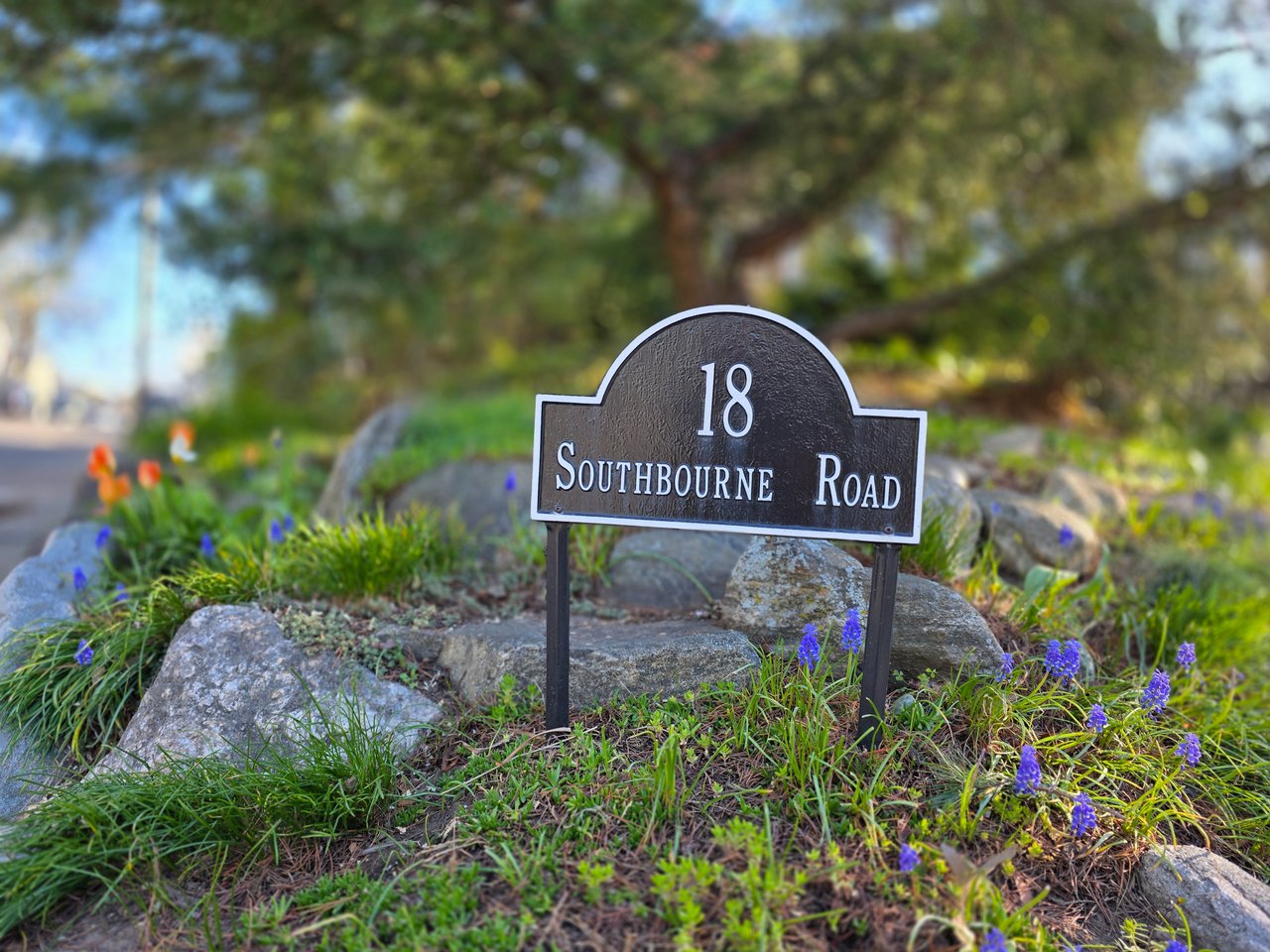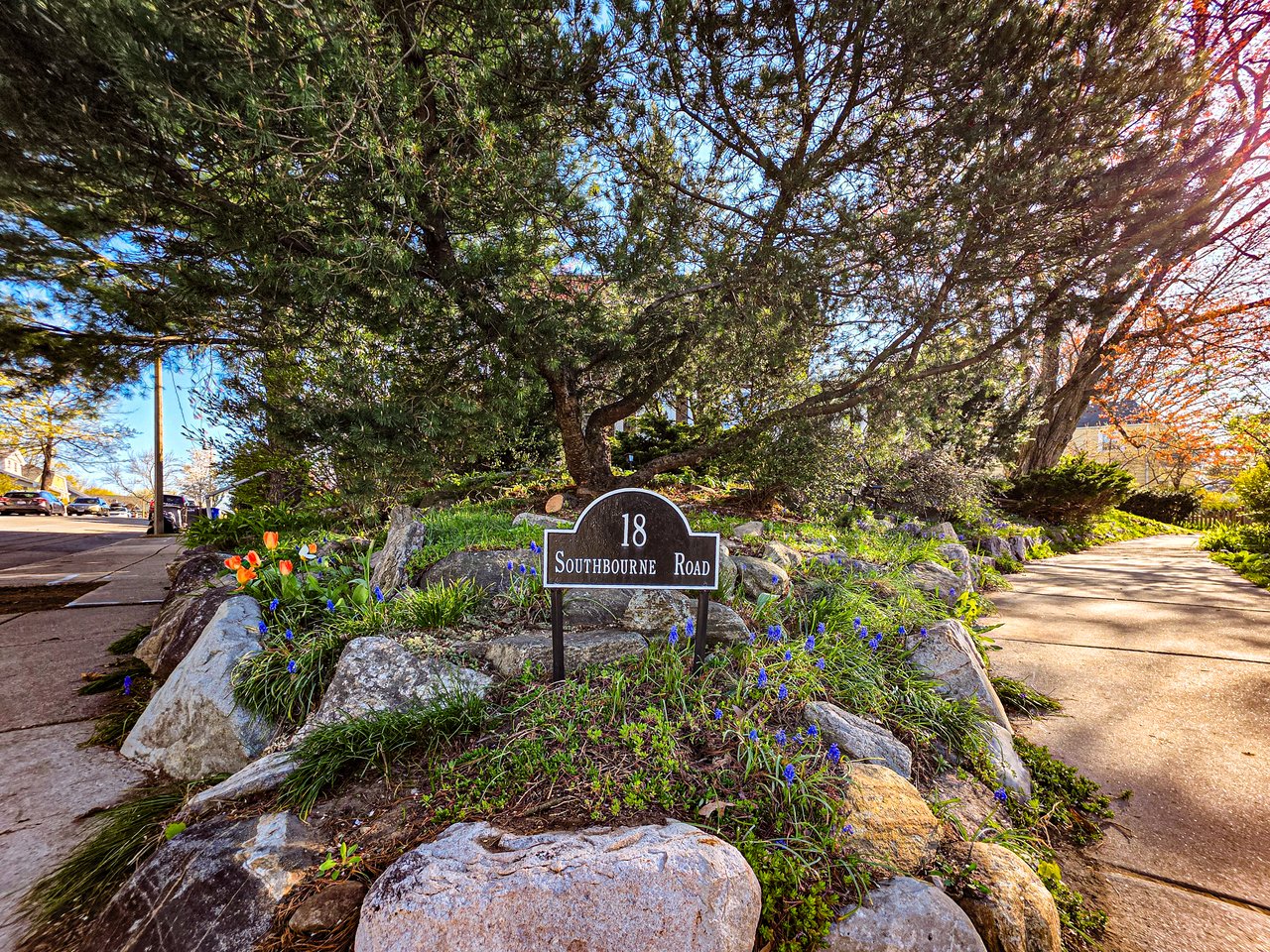
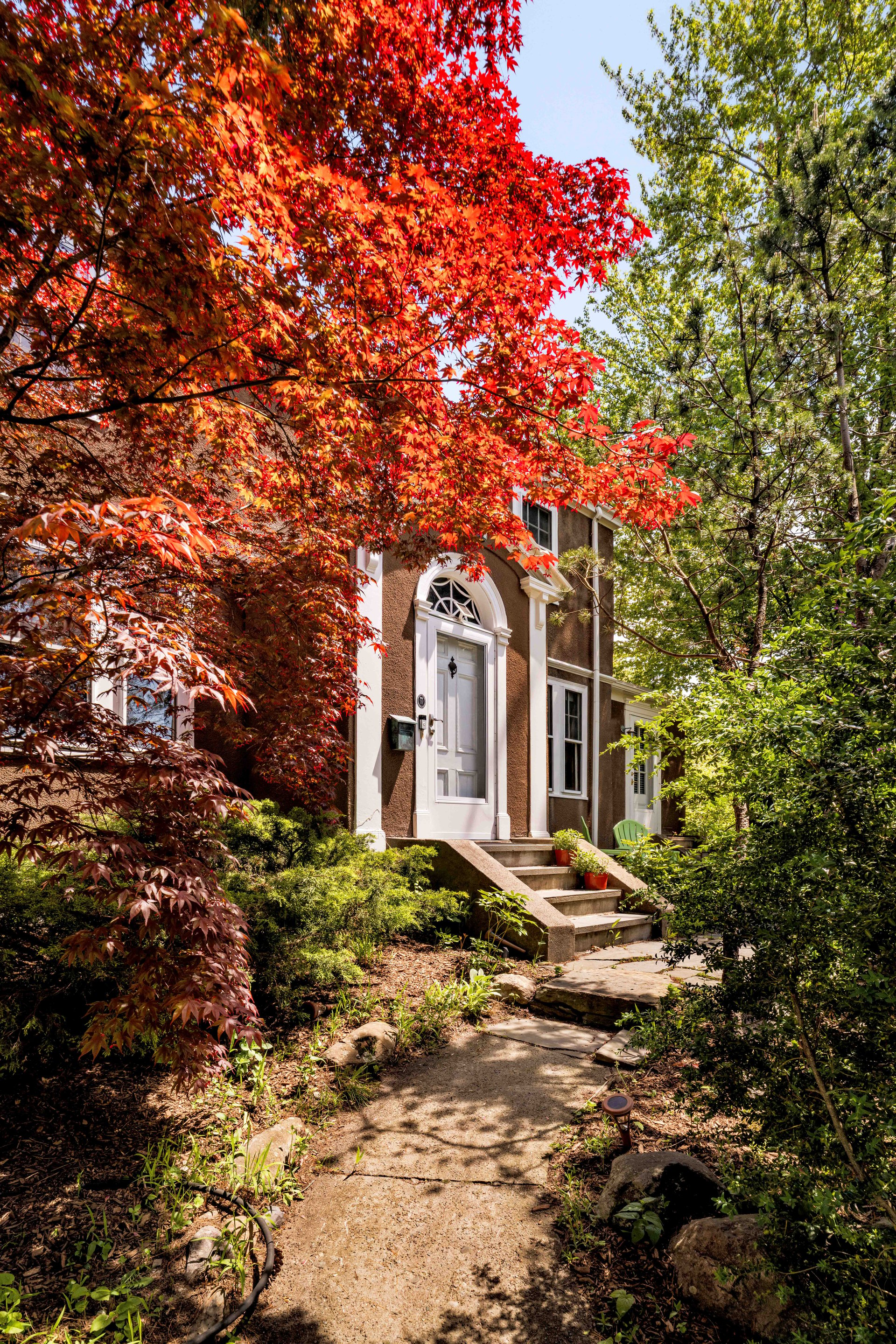
A Woodbourne Original: 18 Southbourne Road
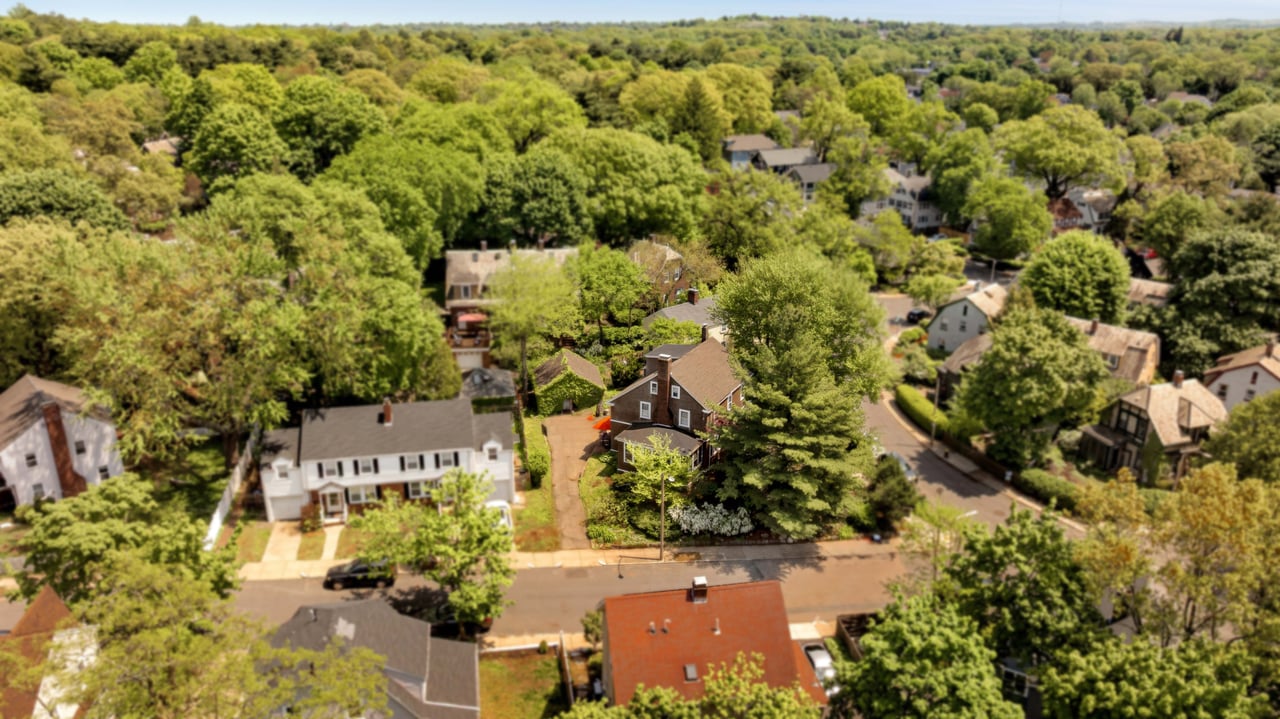
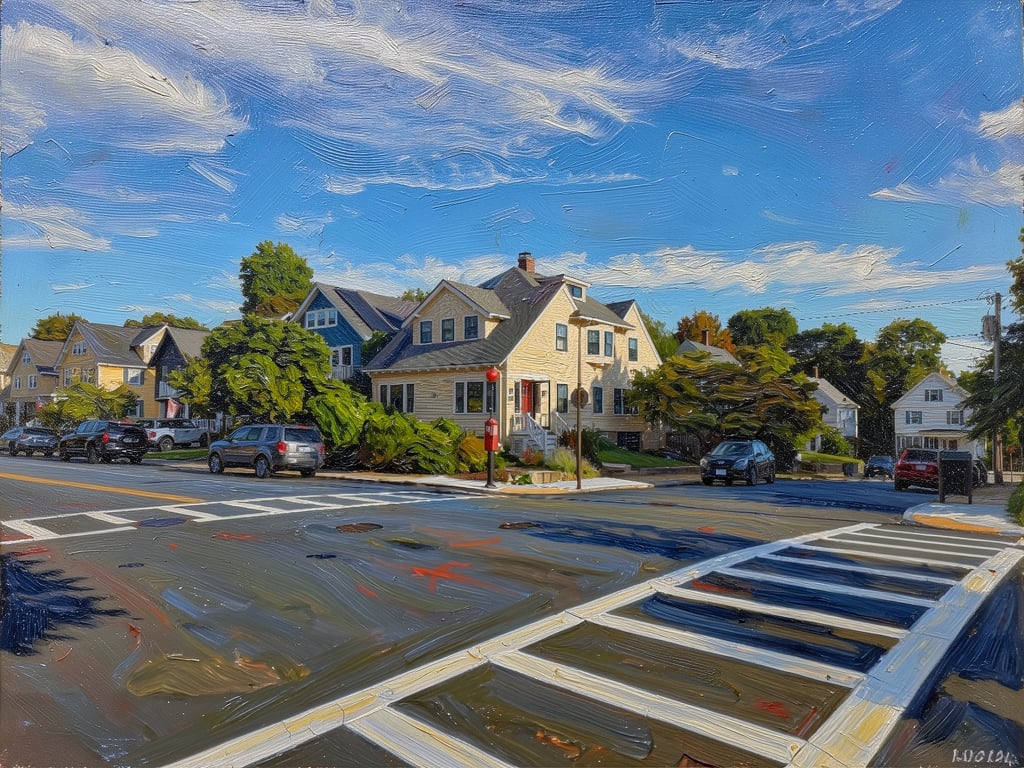
Of all the Jamaica Plain neighborhoods, Woodbourne is the one people grow into. Drawn up in the 1910s and 1920s as one of Boston's earliest planned garden suburbs, it was designed with intention — varied façades, generous setbacks, a coherence of stucco and stone that has held its shape for a century. Streets curve in ways that slow traffic without trying. Houses sit on knolls and slight angles rather than parade-ground lines. There is no high street, no commercial spine, just a residential weave that has aged into something hard to replicate.
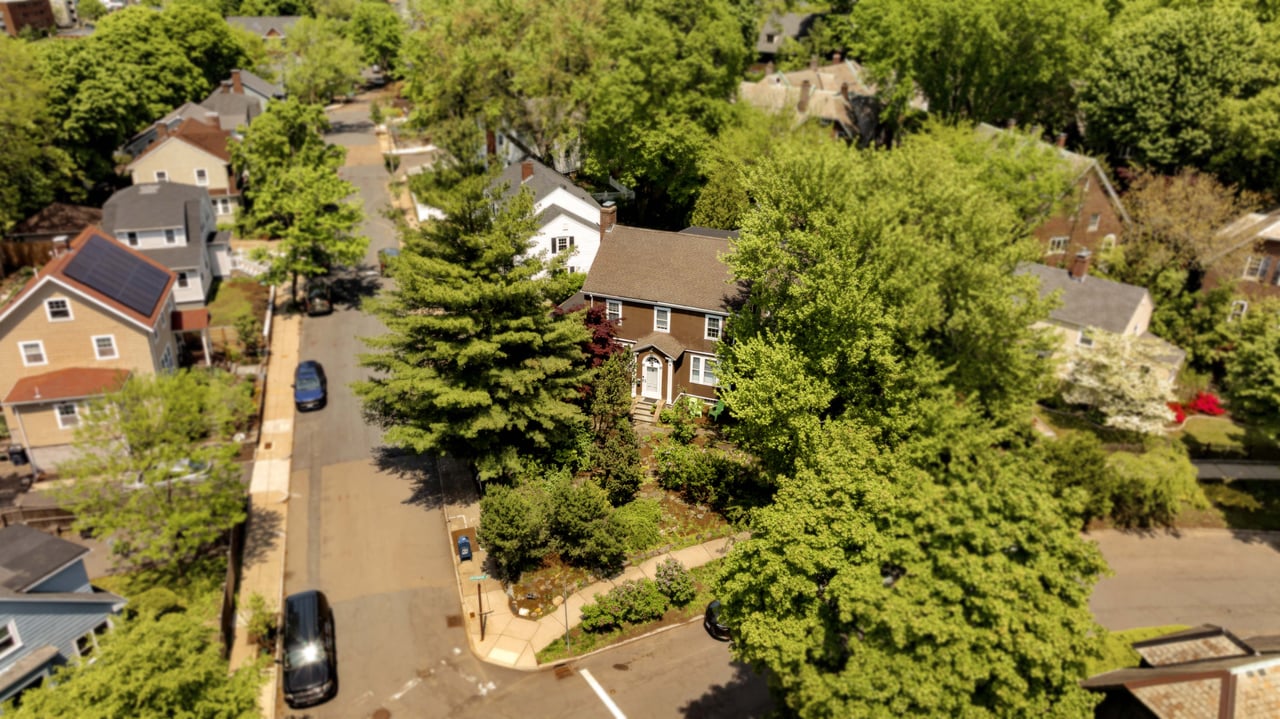
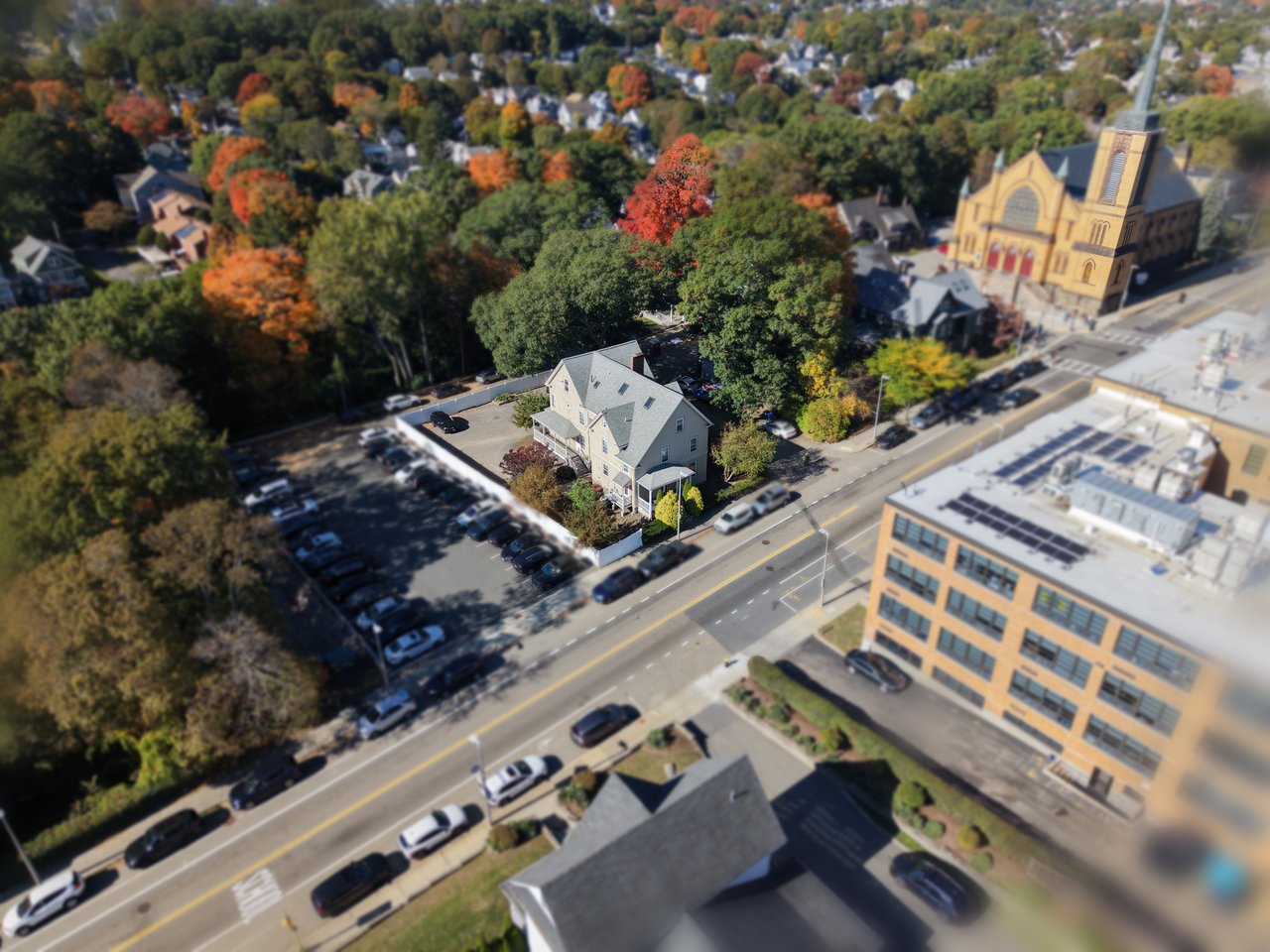
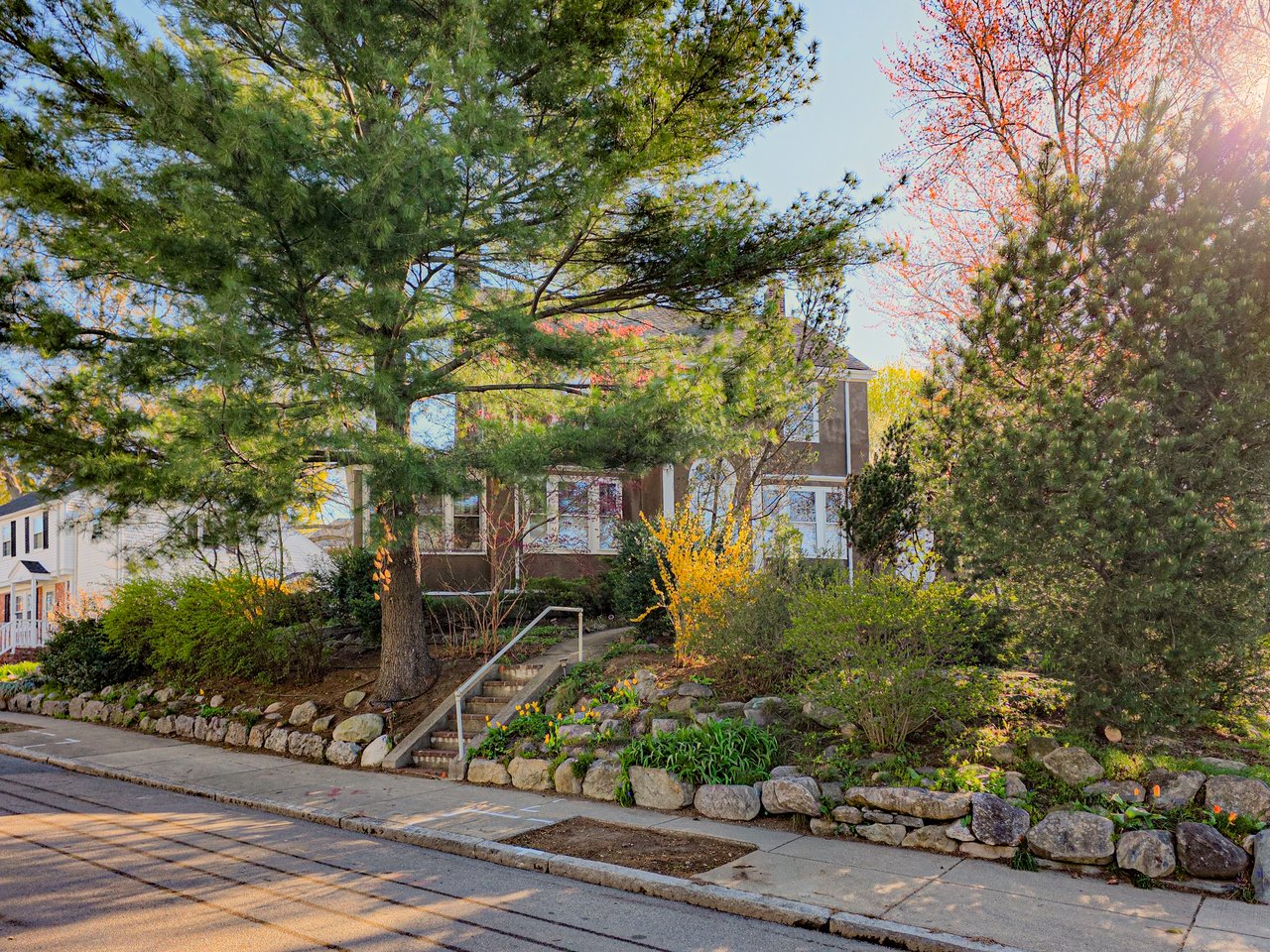
18 Southbourne Road is one of its originals. A 1922 stucco center-entrance Colonial on a corner knoll, set back and a half-story above the road. The current sellers are only the fourth family to own it, and the house bears the marks of all four — bespoke not because it was designed to be, but because it has been lovingly shaped, room by room, by the people who have lived in it.
How the House Holds Light
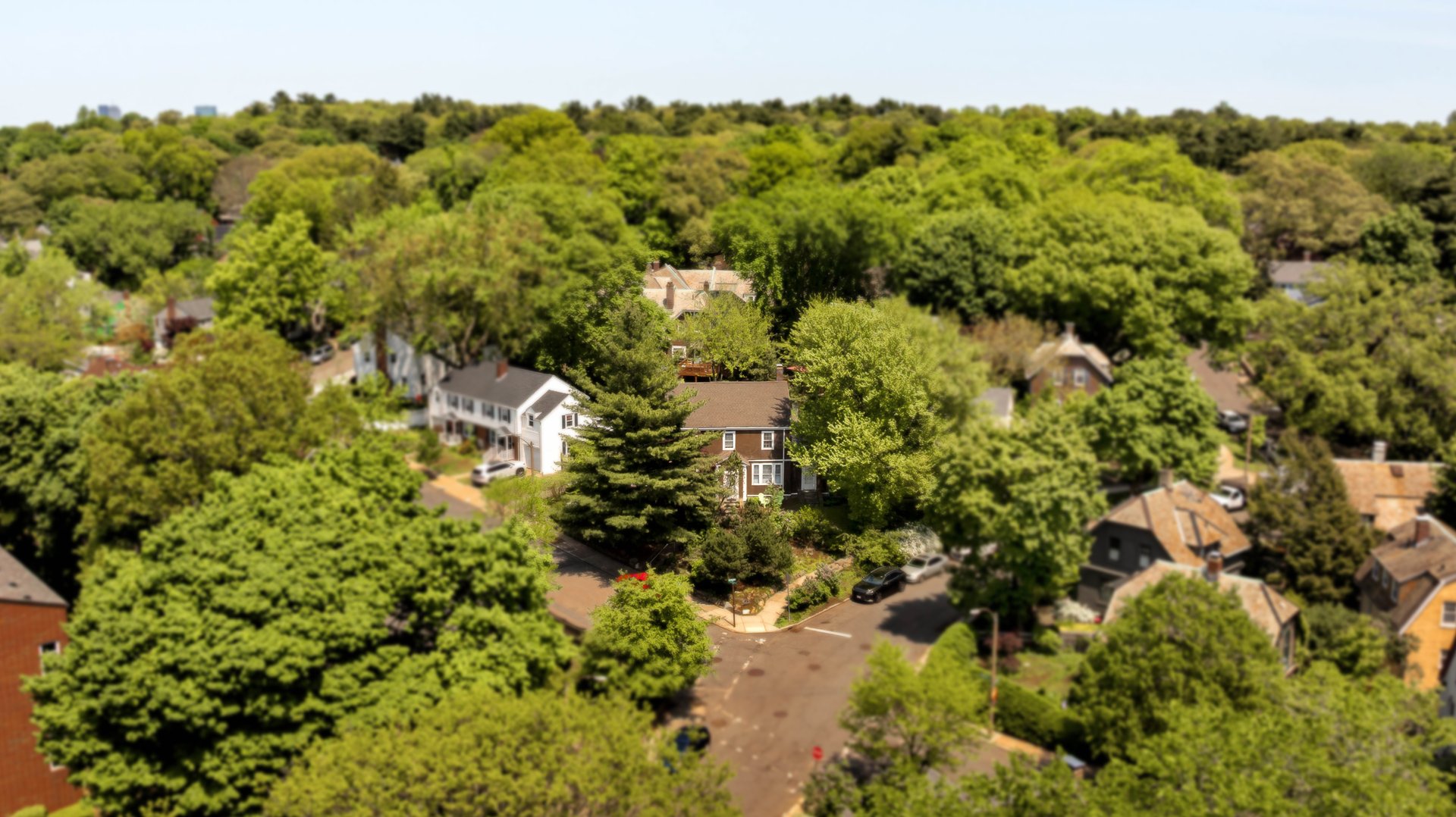
The house sits at a slight angle to the street, facing southwest, and cradled by a mix of deciduous and coniferous tree life. Sunlight works its way throughout the day The first-floor office wing takes the southeast morning sun. The sunroom captures west and northwest light into the evening. Knowing this changes how you read the floor plan: there is no room that lives in shadow, and the day moves through the house in a way you feel as much as see. The mostly original double-hung windows pair with working storm windows for season — efficient through New England winters, opened wide for cross-breezes in summer.
The Front Door, the Living Room, the Sunroom Beyond
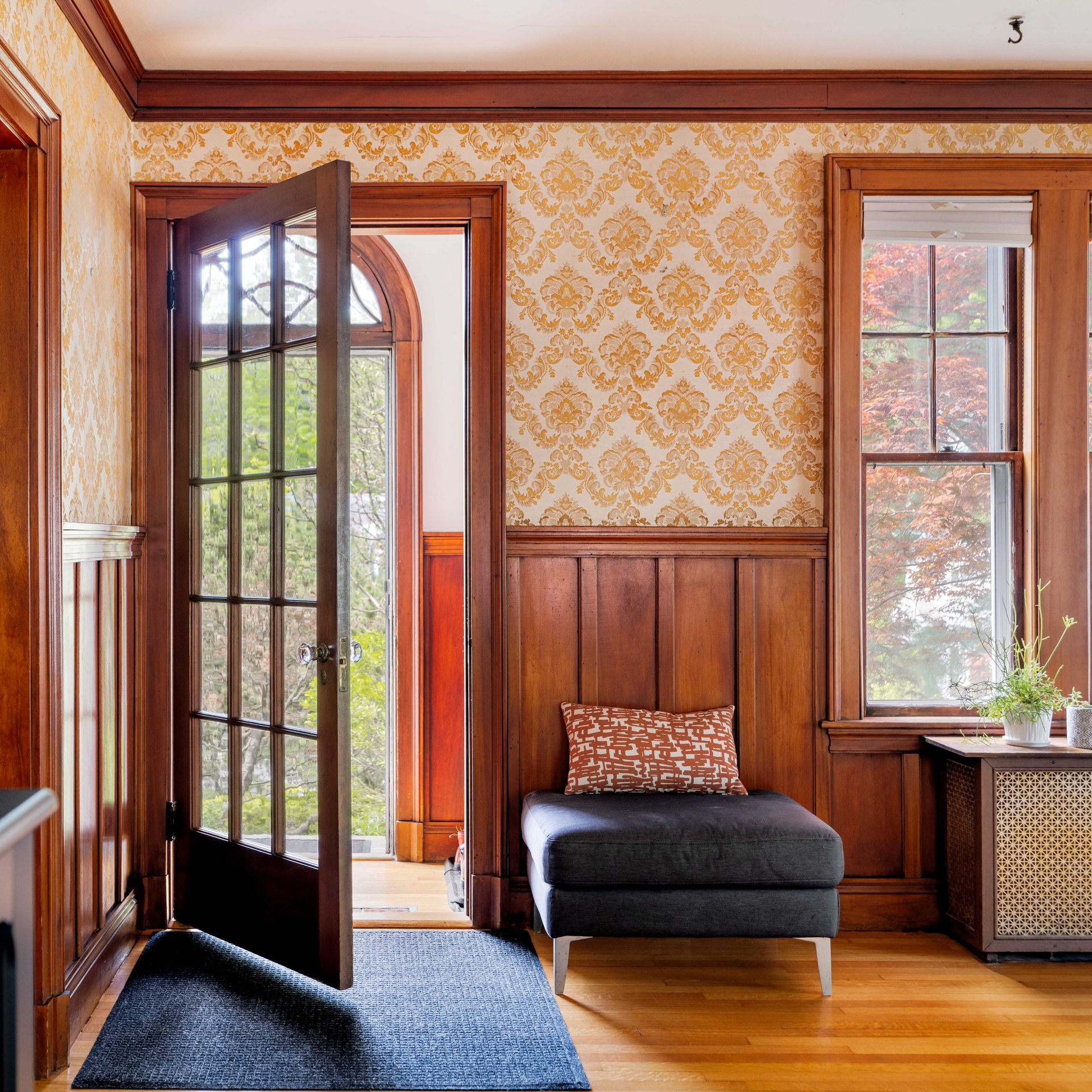
The front door opens directly into the living room. There is no center hall in the conventional sense — the room itself takes the entry. Overhead, a beamed ceiling. At the far wall, an original mantel over a working wood fireplace. To either side of the fireplace, a pair of French doors. Both sets open into a heated sunroom on the west side of the house, wrapped in sylvan privacy. It is a glass pavilion you can enter from either side of the hearth, and it does what the best original sunrooms do: holds the warm part of the afternoon and stretches it.
The Dining Room and the Door at the End
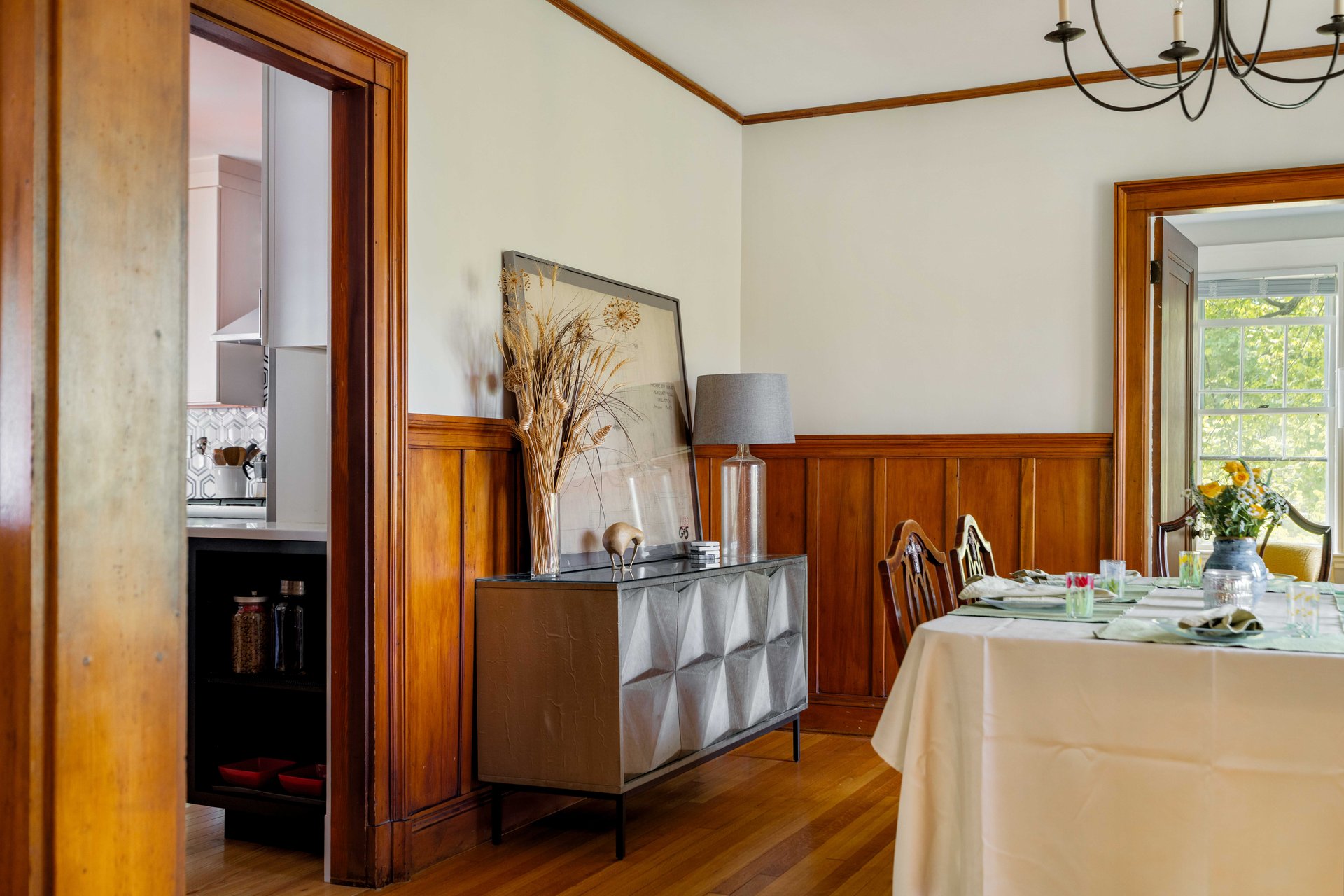
To the right of the front door, a wide opening leads to the dining room. Wainscoted, south-facing, with mostly original double-hung windows and the same warm wood trim that runs through the rest of the house. At the far end of the room is a solid wood deco door — opaque, in the same wood as the trim, with simple deco details.
What is on the other side is a first-floor office suite. Private entrance to the street, full bathroom access, well-proportioned room with southeast light. Originally, it was the visiting room of the home's physician owner, a complete first-floor wing built for a working doc who saw patients at home. The use was specific, and the build was deliberate. A century later, the same architecture supports any number of returns: home office, guest suite, multigenerational accommodation, or perhaps another office for future owner to visit with patients or clients.
The Landing as Hub
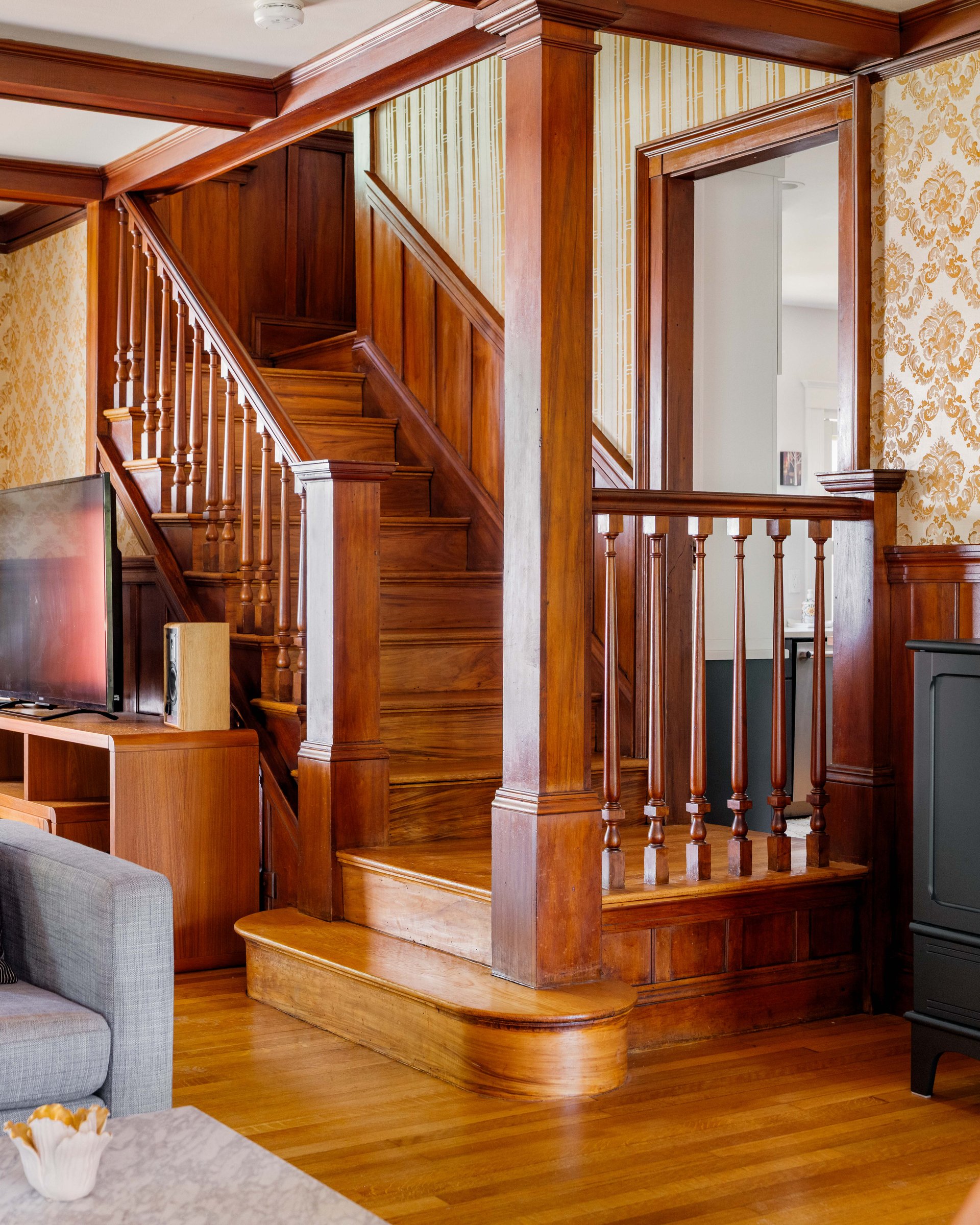
Directly ahead of the front door is the spatial heart of the house: a landing with steps on three sides. One staircase rises to the second floor, the same wainscoting carrying up with it. Another descends a few steps into the kitchen. An arch behind opens back to the living room. It is a small, ingenious piece of architecture — neither hallway nor room, but the connector that makes the whole floor plan feel both compact and generous at once. Houses of this era often used the stair as a centerpiece. From the landing, the wood accented living space is something to behold.
A Kitchen That Connects to Everything
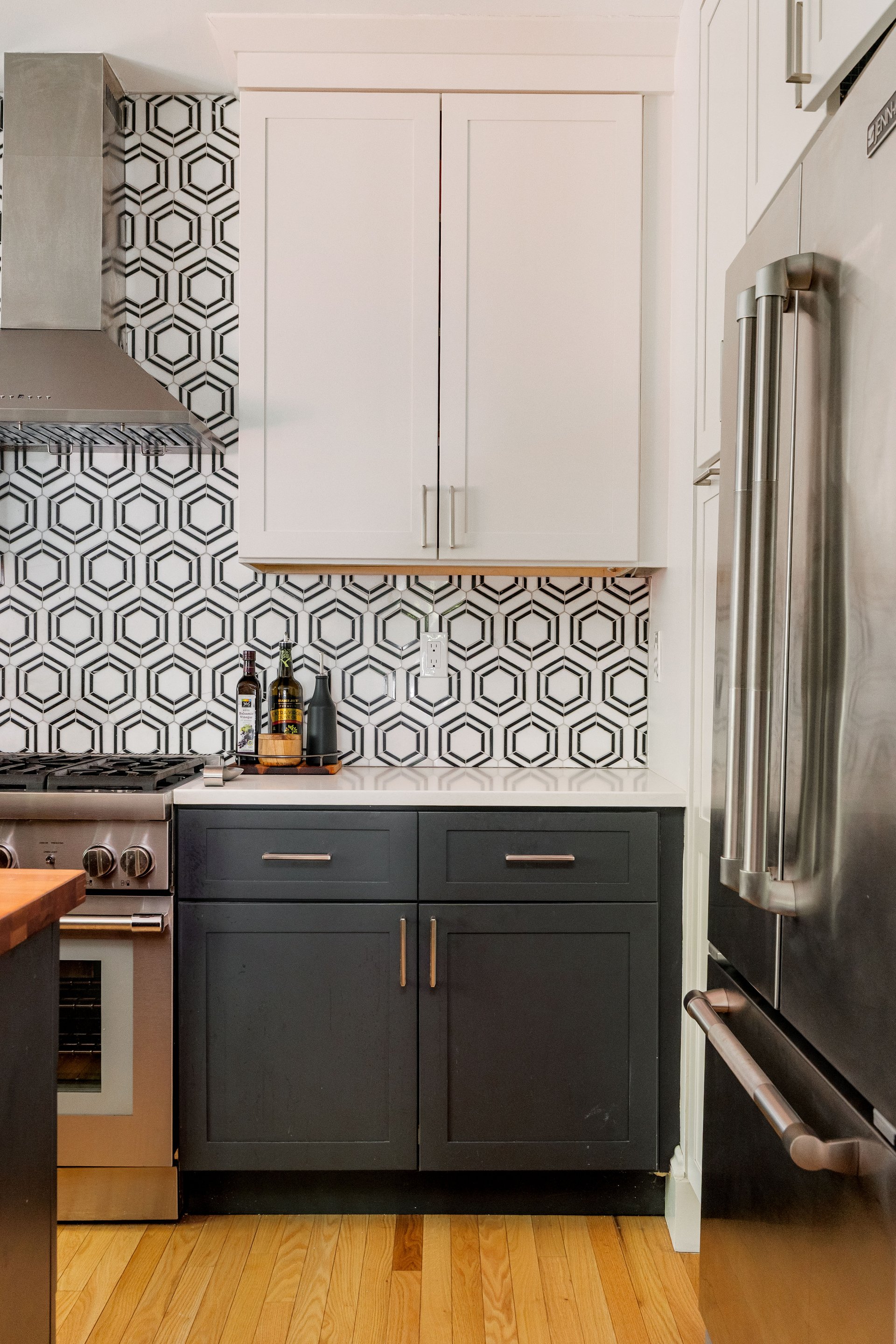
The kitchen is renovated, and the renovation is smart. Top-line Candlelight cabinetry, quartz counters, a butcher-block peninsula, and a pro range vented to the exterior. The peninsula gives the cook a real working surface; the layout gives them five doorways. The kitchen connects to the dining room, the basement, a step-down back vestibule and the yard, a full bathroom, and the central landing. It is the busiest room in the house by design. A closet pantry with semi-transparent folding doors borrows kitchen light, a small detail of the kind this house keeps offering.
Upstairs, and Above
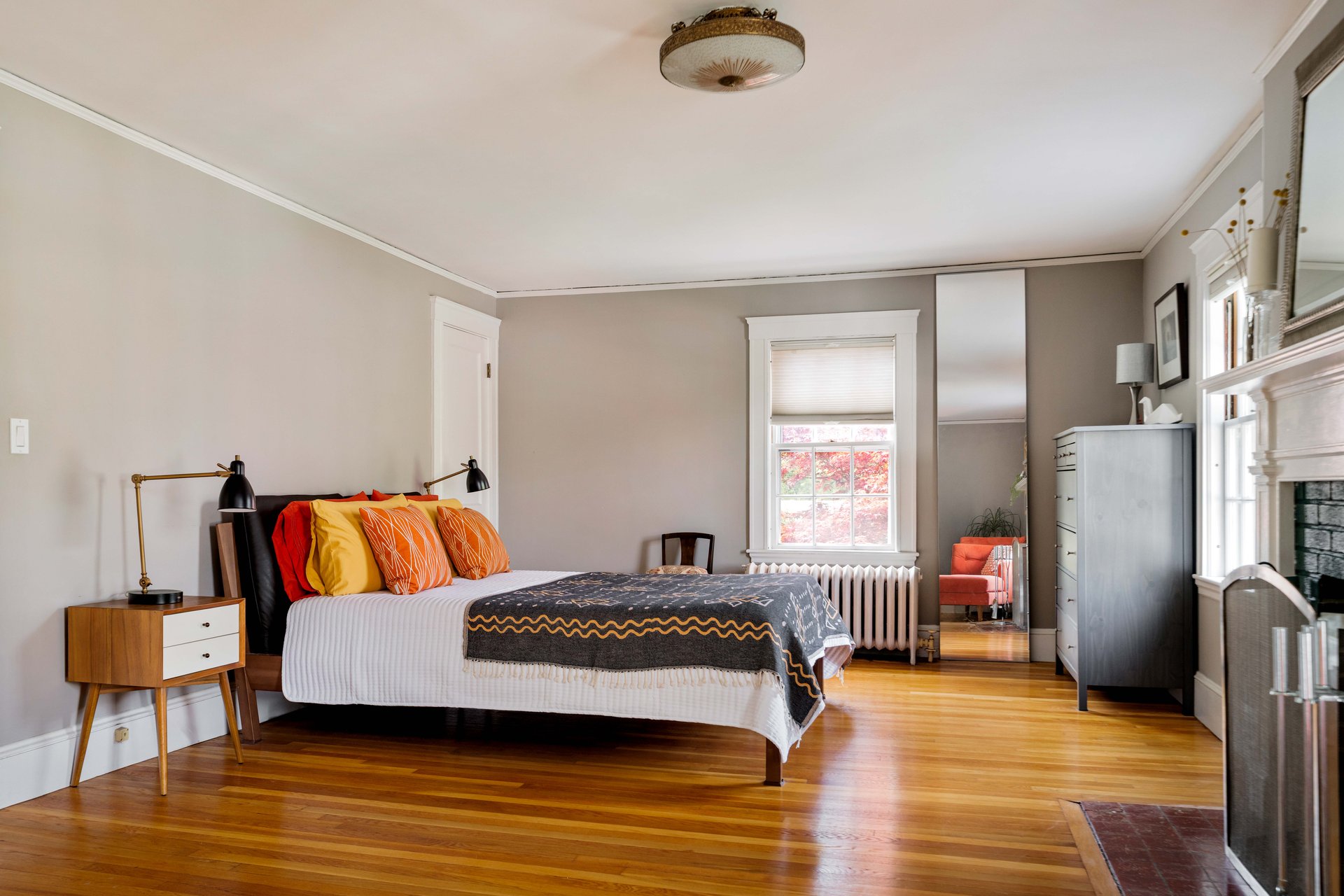
Three bedrooms on the second floor. The primary bedroom, which mirrors the living room below has a second working wood fireplace — a rare detail in a house this size -- and plenty of closet space. The bathroom is renovated and not understated in its modernity. There's a linen closet and access to the third floor.
The third floor was originally the home's staff quarters, and the architecture still carries that history: bedroom space paired with a full bath, set apart from the rest of the house. The current sellers reimagined it during their tenure — adding a skylight, finishing two flex rooms, and insulating the attic with spray foam during the 2017 renovation. The antique bath was preserved, kept in its original form rather than replaced. That last decision says something: a house that has been updated thoughtfully also knows what not to update.
Functionally, the third floor lives today as flex space — guest, office, studio, kids' room, play. But its underlying layout — bedroom and bath, one full level up from everything else — gives a future buyer a real alternative: a private primary suite that takes the whole top of the house, leaving the second floor to children, guests, or both.
The Studio Below
In the basement, a soundproofed and ventilated music studio, custom-built with New England Sound. This is not a converted corner — it is its own space, with the acoustic isolation and ventilation that separates it from the rest of the home. It sits directly beneath the home's living room, and in practice the isolation works.
For the right buyer it is a turnkey home studio. For others, it is whatever the basement should be: workshop, game room, kids' space, home gym, or focused workspace that the rest of the house cannot hear.
The Grounds, and the Corner
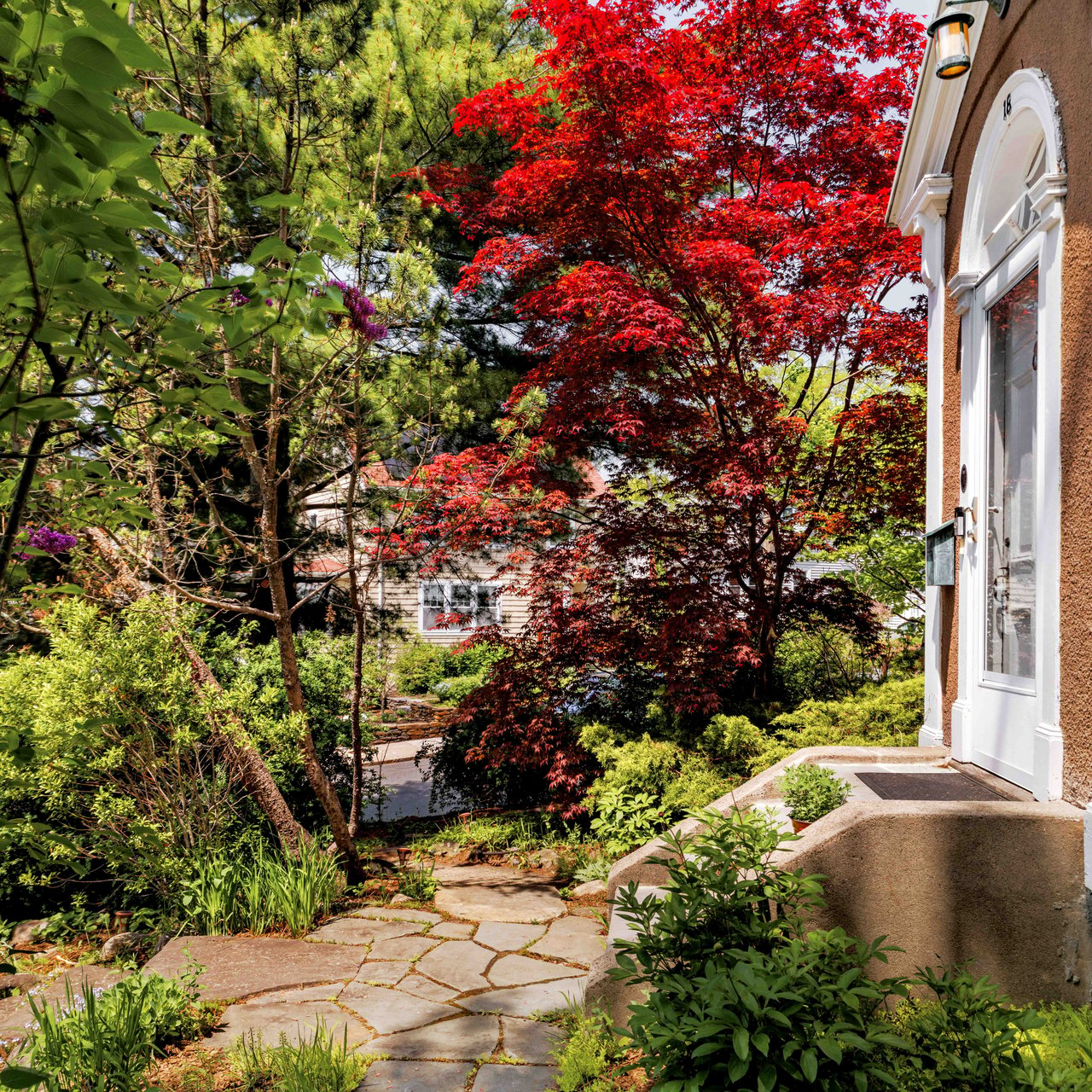
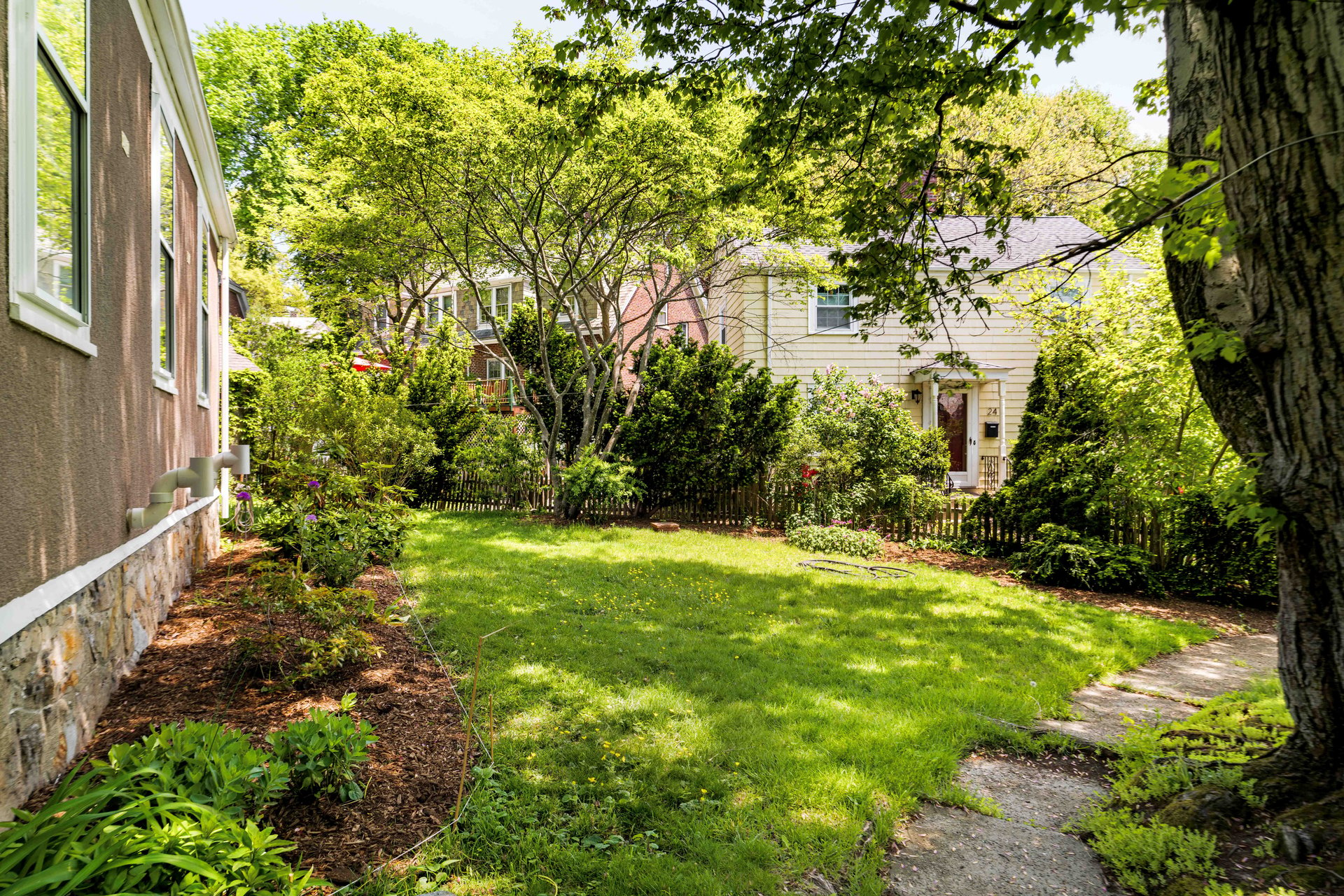
Outside, the corner lot rewards attention. The prior owners landscaped it carefully — a mature maple that predates the house anchors the front, with lilacs, witch hazel, red maple, spirea, evergreens, and succulents along rough stone walkways and beds. The maple shades the side yard through the afternoon, creating a natural sitting area exactly where you'd want one.
The front of the house catches the evening sun. The sellers' own future vision for the property included adding a stone patio in front — an outdoor sitting and entertaining space oriented to the Woodbourne sunset. The footprint is there; the rest is whoever lives here next.
Sandstone front steps were refurbished recently with bluestone treads. The corner position means on-street parking is almost always available directly in front of the lot. Driveway parking for at least two. A detached garage on the lot is in rough condition and is not advertised as parking — but its footprint offers a future buyer real optionality for an ADU or rebuild within the FAR allowances on the 9,000 sq.ft. lot.
Woodbourne, and What Borders It
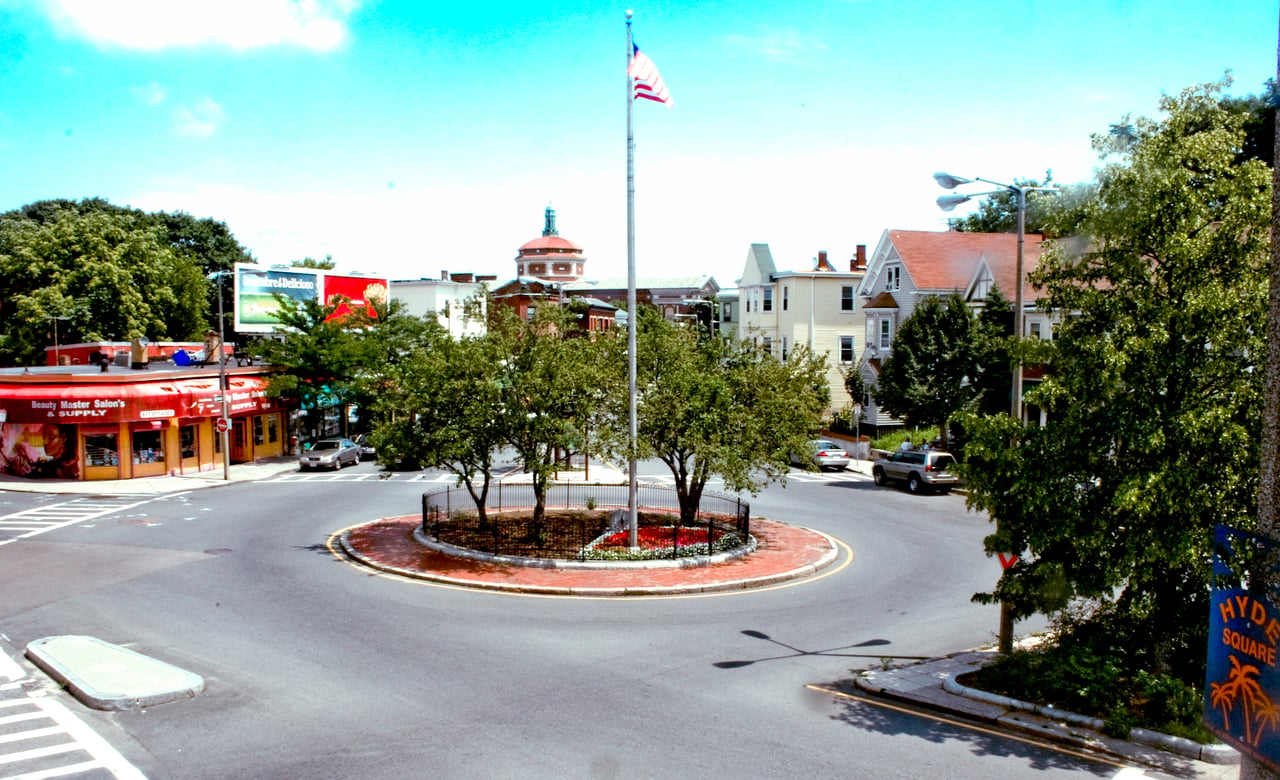
The neighborhood is bordered by Forest Hills Cemetery — a 250-acre landscape designed in the mid-19th century as a "rural garden cemetery" in the Olmsted tradition. It was, in fact, a predecessor, influence and one of the original jewels on Boston's Emerald Necklace. A block from the house, the 32 bus runs to Forest Hills station where you'll find the Subway's Orange Line, a commuter rail stop, and buses that web all around . Brassica Kitchen sits in Forest Hills proper. Jamaica Plain Center and Roslindale Square are equally close by car or bike. The Flaherty Pool — free to Boston residents — is under a mile away. And Roslindale Village isn't too far either (via Blakemore Bridge).
Why This House, on This Street, Now
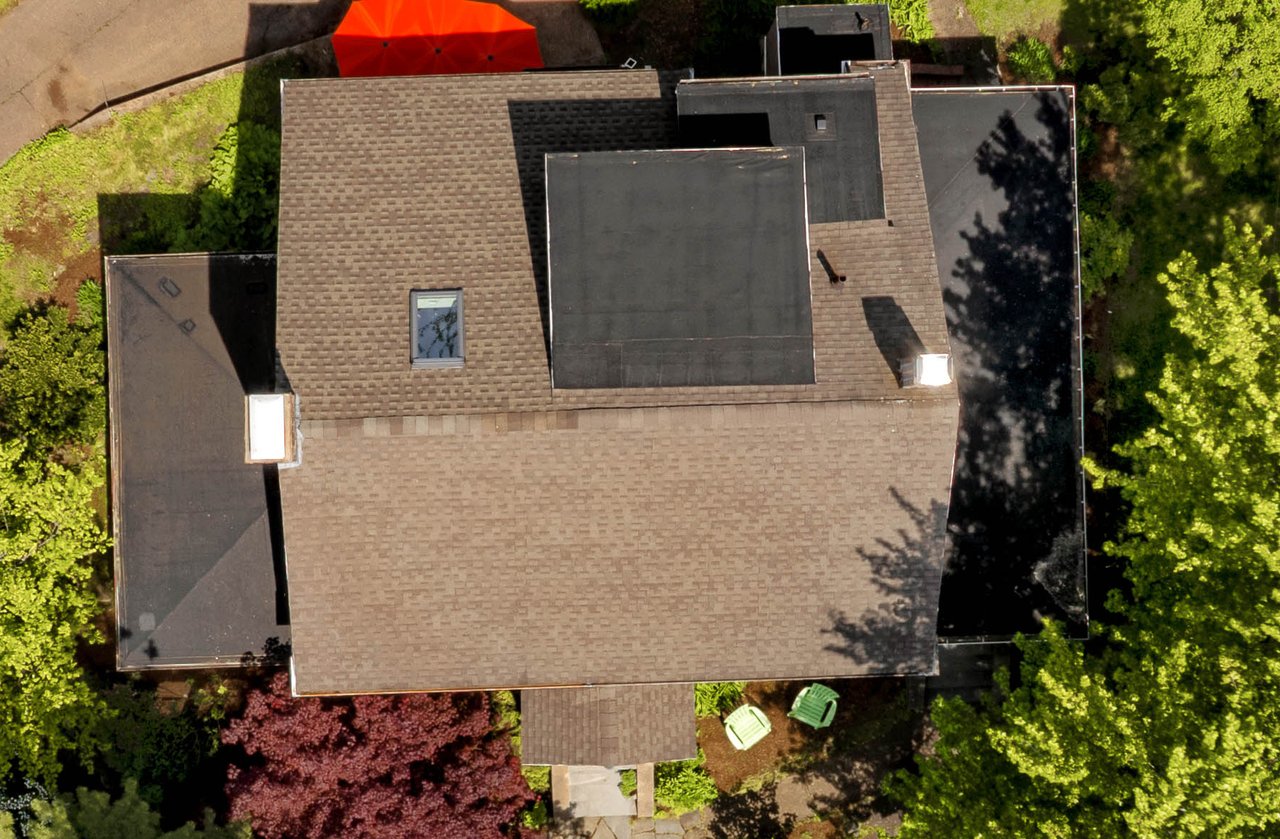
The bones of the 1922 build are intact: stucco façade, original mantels, beamed living room ceiling, wainscoting, mostly original windows, antique bath upstairs. The updates the sellers have made — the kitchen and first-floor bath just before Covid, the second-floor bath just after, the third-floor renovation in 2017, the Alpine boiler in 2015, the back half of the roof in 2025 — have been made in service of the house, not in spite of it. Woodbourne does not produce houses like this often. When it does, the people who buy them tend to be the ones who plan to stay.
Get on the Update List
18 Southbourne goes live on MLS Tuesday, May 26, 2026. First showings open with the broker luncheon two days later. Reach out and we'll keep you posted with photos, pricing, and showing details as launch approaches.
Broker Luncheon Open House · Thursday, May 28, 2026 · 12–1 PM
Public Open Houses · Saturday, May 30 + Sunday, May 31