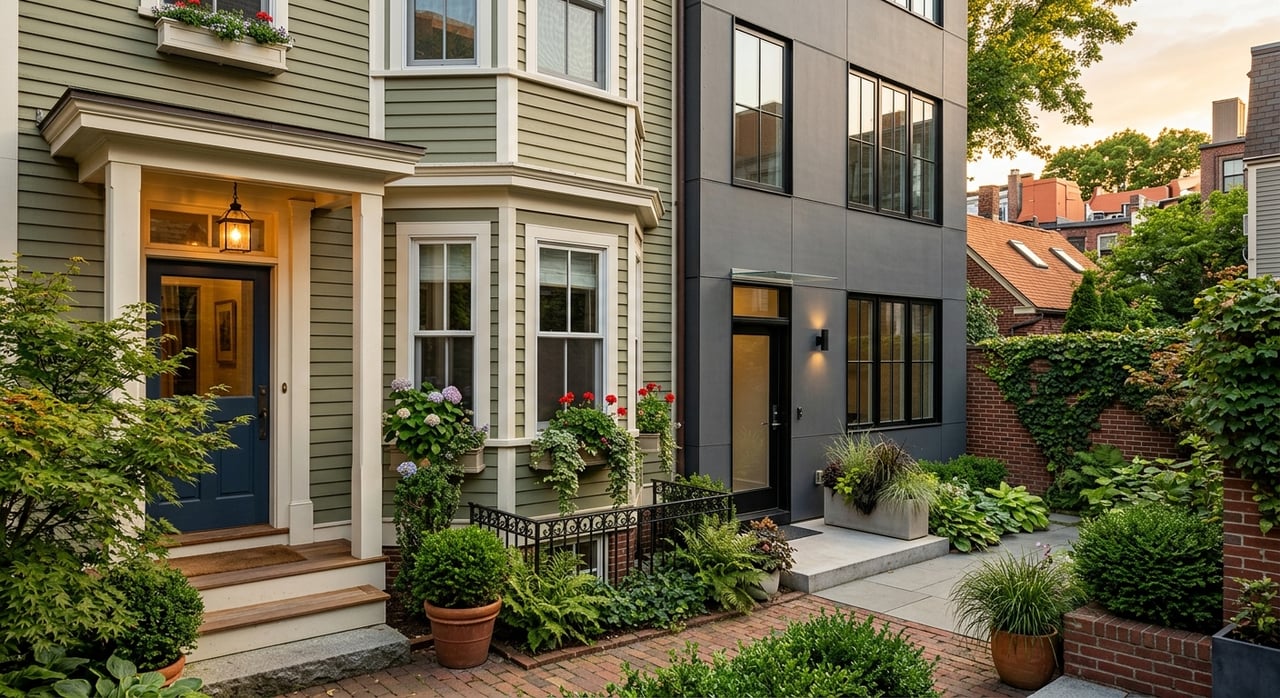
Wondering what kind of condo actually fits your life in Jamaica Plain? That is a smart question to ask, because in JP, condo options can feel very different from one block to the next. If you are trying to balance character, upkeep, layout, and price, this guide will help you understand the main condo types you are likely to see and what each one can mean for your day-to-day ownership. Let’s dive in.
Why JP Condos Vary So Much
Jamaica Plain has an older housing stock and a block-by-block feel that sets it apart from neighborhoods built around large, uniform condo developments. According to the City of Boston neighborhood profile, condo units were already the largest assessed property type in JP at 52.0 percent in 2011, alongside a meaningful share of two-family and three-family buildings.
That mix still shapes what buyers see today. Instead of a market defined only by large apartment-style buildings, JP often offers converted homes, smaller multifamily properties, and a smaller number of newer purpose-built projects. Current market snapshots also show that this is a substantial condo market, with about 69 condos for sale at a median list price around $770,000 on Redfin, while Zillow’s JP home value index was about $812,000 at the end of May 2026.
Converted Triple-Deckers
Converted triple-deckers are one of the most recognizable condo types in Jamaica Plain. These are typically three-story wood-frame buildings with one apartment per floor, often with stacked kitchens and baths, windows on multiple sides, and porches.
They also feel deeply tied to the neighborhood’s identity. Boston planning materials describe JP’s residential streets as filled with iconic triple-decker houses, which is part of why many buyers see these condos as more house-like and neighborhood-scaled than a larger apartment-style building.
What They Often Feel Like
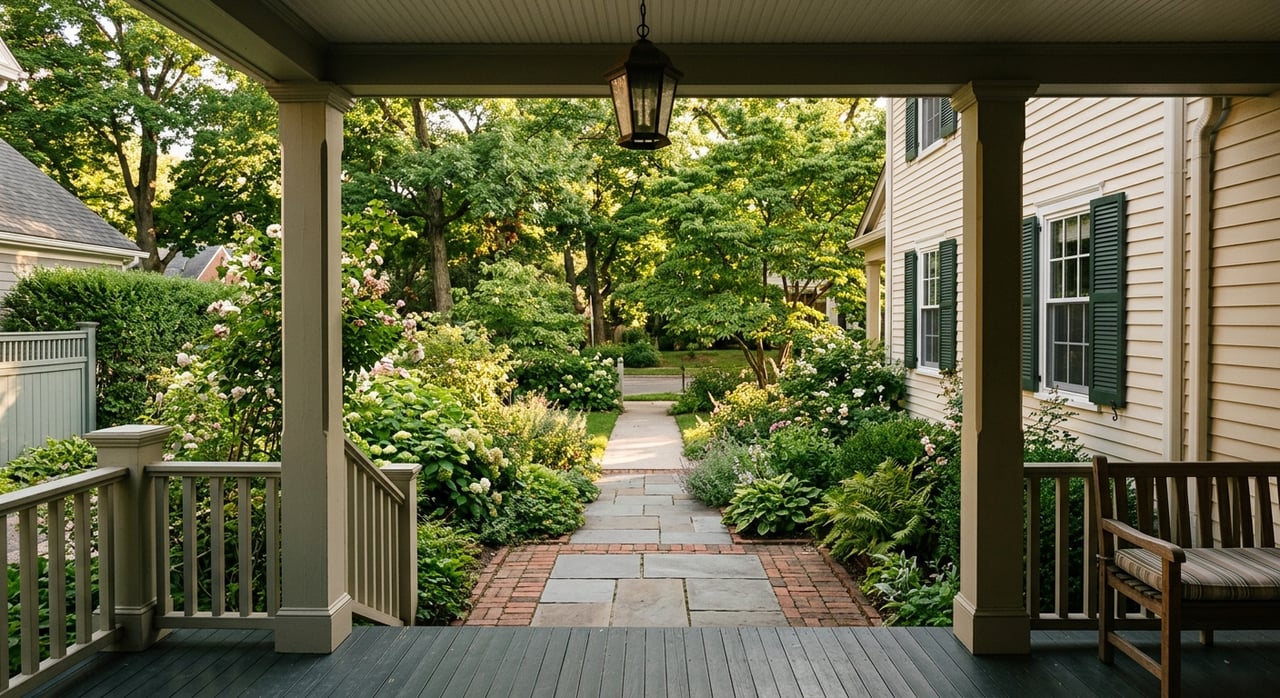
A triple-decker condo often offers a layout that feels distinct from newer construction. You may find a traditional room-by-room floor plan, more natural light from multiple exposures, and private or semi-private outdoor features like porches.
Because many of these buildings were not originally designed as condos, the ownership experience can feel a little more hands-on. In a smaller association, you may be paying close attention to maintenance planning, shared expenses, and building decisions with just one or two other owners.
What Buyers Should Watch
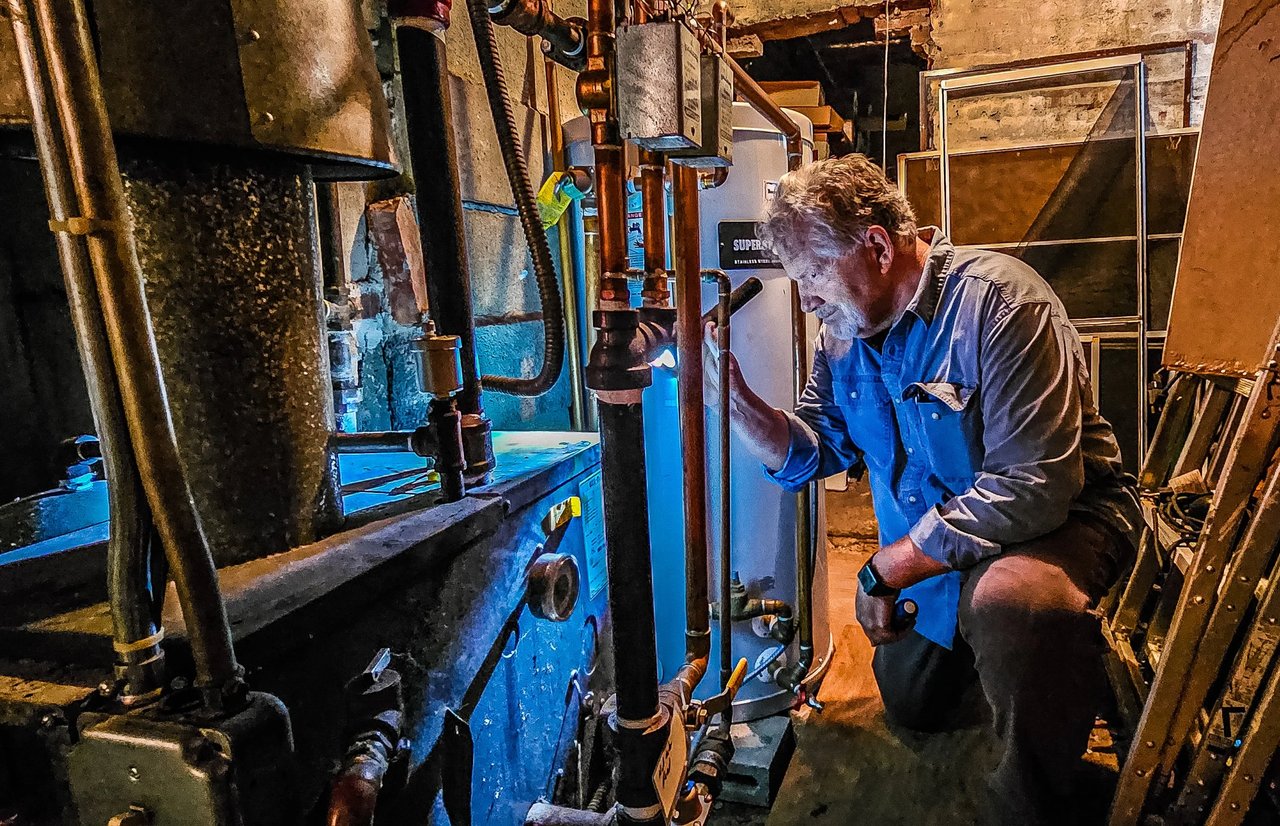
Character can be a big draw, but upkeep matters. With older triple-deckers, the long-term question is often how much roof, porch, siding, and systems work remains.
That is where the condo documents become important. You will want to review the association budget, reserve funds, and whether the building may need major repairs that could lead to special assessments. A lower monthly fee can look appealing at first, but it does not always mean lower total ownership cost if reserves are thin.
Historic Multi-Unit Buildings
Another major condo category in Jamaica Plain is the historic multi-unit building. These often show up in older residential districts such as Sumner Hill and around Monument Square, where city sources describe architecture spanning several centuries and styles including Victorian, Gothic, and Italianate.
For buyers who care about architectural detail and established streetscapes, this category can be especially appealing. The look and feel may be less standardized than newer condos, which can make each unit feel more individual.
What Sets Them Apart
Historic multi-unit buildings in JP can include early two-family and small multifamily properties from the neighborhood’s streetcar-suburb era. In practical terms, that often means more variation in layout, more period detail, and less of the open-plan sameness you sometimes see in newer developments.
You may find original millwork, higher ceilings, or room-by-room layouts that appeal to buyers who want a home with a strong sense of place. At the same time, that individuality can mean each unit needs to be evaluated on its own terms rather than compared too quickly to a newer condo down the street.
What Buyers Should Review
In older historic buildings, finishes do not tell the whole story. A beautifully updated kitchen does not answer questions about the exterior envelope, building systems, master insurance, or reserve balance.
That is why document review matters just as much here as it does in a triple-decker conversion. Before you buy, it is worth understanding how the association handles maintenance, whether reserves are adequate, and whether any large shared expenses may be on the horizon.
Newer Purpose-Built Condos
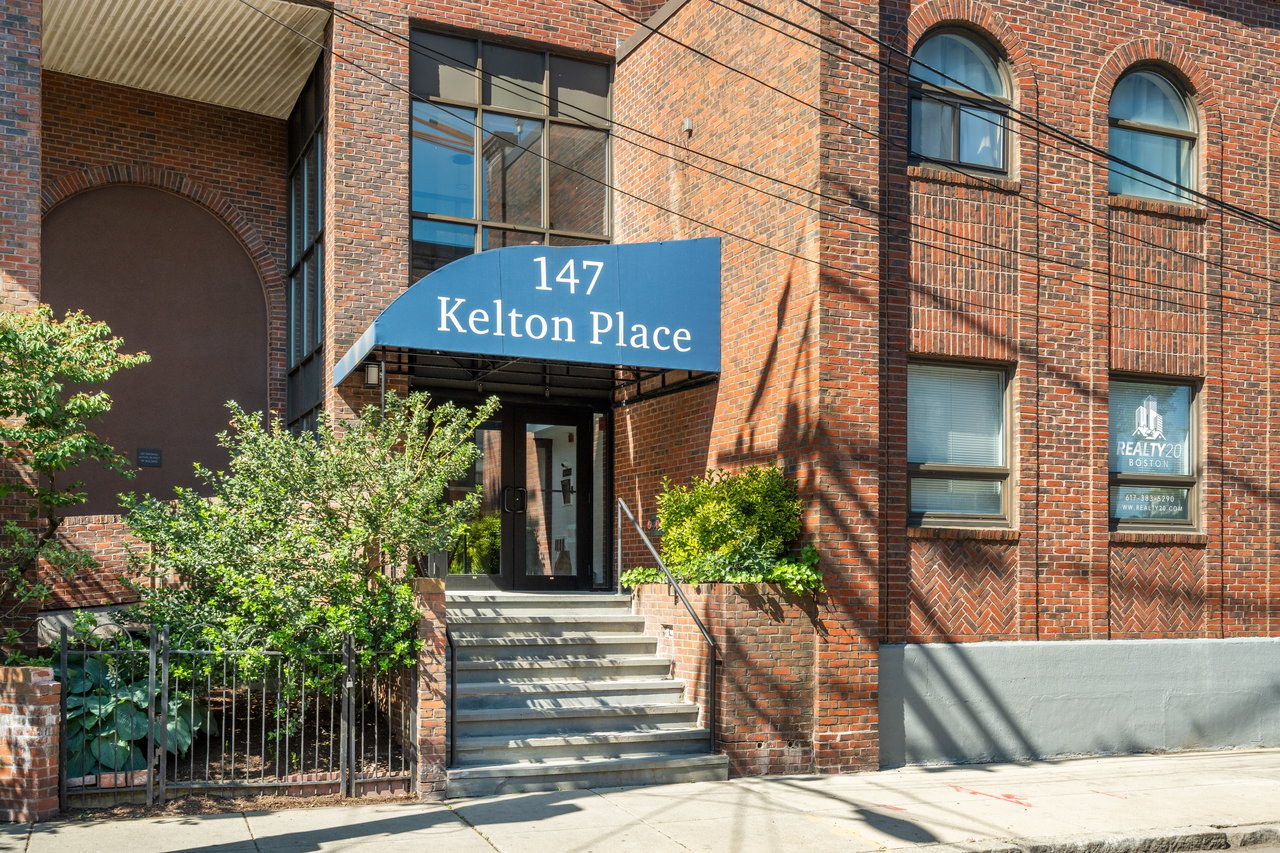
If you want a more turnkey ownership experience, newer purpose-built condos may be the category to watch. In Boston, inclusionary zoning applies to market-rate projects with seven or more units, which is one reason newer condo developments in the city often include some income-restricted ownership units.
Jamaica Plain has seen examples of this newer condo stock, including Call Carolina with eight homeownership condominiums, Vita with 12 new income-restricted condos, and Tilia with 24 modern townhouse-style condominiums in five buildings near Forest Hills.
What Newer Projects Often Offer
Newer condos usually stand out for layout and convenience. At Tilia, units ranged from 1-plus-bedroom, 1-bath homes to 3-bedroom, 2.5-bath homes, with features such as in-unit laundry, garage parking, designated storage, private decks, and energy-efficient construction.
That mix of features can be a major draw if you want more predictable maintenance and a more complete amenity package. In some newer projects, parking may also be priced separately from the unit itself, as shown in Vita’s lottery materials, so it is worth checking exactly what is included.
What Ownership Can Feel Like
In many cases, newer condos offer a more straightforward maintenance profile. Buyers are often paying for newer systems and a fee structure that is more likely to support common-area maintenance, insurance, and reserves.
That does not mean you should gloss over the monthly fee. Condo fees can vary based on age, condition, value, and amenities, so it helps to understand what the fee covers and how the association is planning for future costs.
Townhome-Style Condos in JP
A subset of newer construction in Jamaica Plain is the townhome-style condo. These homes can appeal to buyers who want some of the feel of a townhouse while still owning within a condominium structure.
Projects like Tilia show why this format gets attention. With multiple buildings, open floor plans, private decks, storage, and garage parking, townhome-style condos can offer a middle ground between the classic JP conversion and the larger apartment-style building.
Who They May Suit Best
If your priority is newer systems, functional storage, and a less renovation-heavy ownership experience, this type may be a strong fit. Buyers who want clean lines and a more contemporary layout often gravitate here as well.
At the same time, these homes can be priced differently from older conversions because you are buying a different package of features and maintenance expectations. Comparing them fairly means looking beyond square footage and focusing on overall ownership costs and lifestyle fit.
How to Compare Condo Types
When you look across Jamaica Plain’s condo inventory, the best choice is usually less about which type is “best” and more about which tradeoffs fit your priorities. Each category tends to offer a different balance of character, maintenance, layout, and amenities.
Here is a simple way to frame the options:
| Condo Type | Common Appeal | Main Questions to Ask |
|---|---|---|
| Converted triple-decker | Classic JP look, house-like feel, porches, multiple exposures | How strong are reserves? What condition are roof, siding, porches, and systems in? |
| Historic multi-unit building | Period detail, distinctive layout, established streetscape | What deferred maintenance exists? How is the exterior and master insurance handled? |
| Newer purpose-built condo | Turnkey living, newer systems, amenities, predictable upkeep | What does the fee cover? Is parking included? How are reserves funded? |
| Newer townhome-style condo | Contemporary layout, storage, decks, garage parking | How do monthly costs compare with older options, and what is included? |
The Documents Matter in Every Building
No matter which condo style catches your eye, the documents matter. Fannie Mae advises buyers to review fees, reserve funds, special assessments, bylaws, parking, and master insurance.
It is also important to understand insurance responsibility. The CFPB notes that association fees often include master insurance for common areas, while owners still need their own unit coverage.
In a neighborhood like Jamaica Plain, where building age and type vary so much, those details can have a real impact on your monthly budget and long-term ownership experience. Two condos with similar asking prices may feel very different once you factor in maintenance history, reserves, and fee structure.
Why Building Type Affects Pricing
Jamaica Plain’s active condo market suggests that condition and building type can materially affect both pricing and time on market. A buyer comparing an older top-floor triple-decker unit to a newly built townhome-style condo is not just comparing finishes. You are also comparing systems, maintenance expectations, amenity package, and the structure of the association itself.
That is one reason local context matters. In JP, knowing how to weigh building style against ownership costs can help you make a stronger, more confident decision.
If you are sorting through condo options in Jamaica Plain and want a clear read on what fits your budget, priorities, and long-term plans, The Boston Home Team can help you compare the details and move forward with confidence.
FAQs
What are the most common condo types in Jamaica Plain?
- The most common condo types in Jamaica Plain are converted triple-deckers, historic multi-unit buildings, and newer purpose-built or townhome-style condo developments.
What should buyers review before buying a Jamaica Plain condo?
- Buyers should review condo fees, reserve funds, special assessments, bylaws, parking details, and master insurance, along with the condition of major building components.
Are newer Jamaica Plain condos more turnkey than older ones?
- In many cases, yes. Newer condos often offer newer systems, more predictable maintenance, and amenities such as parking, storage, in-unit laundry, and private outdoor space.
Why do Jamaica Plain condo fees vary so much?
- Condo fees can vary based on the building’s age, condition, amenities, value, and how much the association is contributing to maintenance, insurance, and reserves.
Do converted triple-decker condos in Jamaica Plain require more scrutiny?
- Yes. Converted triple-deckers often have strong character and a classic JP feel, but buyers should pay close attention to roofs, porches, siding, systems, reserves, and the risk of future shared repair costs.