Thinking about listing your Jamaica Plain condo this spring and want to hit the market at full speed? You are not alone. Spring is when more buyers are out and JP’s parks, shops, and transit access shine brightest, which can help your condo stand out. In this guide, you will get a clear 8–10 week prep plan, condo-specific checklists, smart updates with strong ROI, and marketing tips tailored to JP. Let’s dive in.
Why spring works in Jamaica Plain
Buyers are drawn to JP for green space like Jamaica Pond and the Arnold Arboretum, walkable retail in Centre, South, and Jackson Squares, and strong MBTA access, including nearby Green Line E branch service and the Forest Hills transit hub. These features rise to the top of buyer wish lists. Highlighting them in your listing and photos can boost interest.
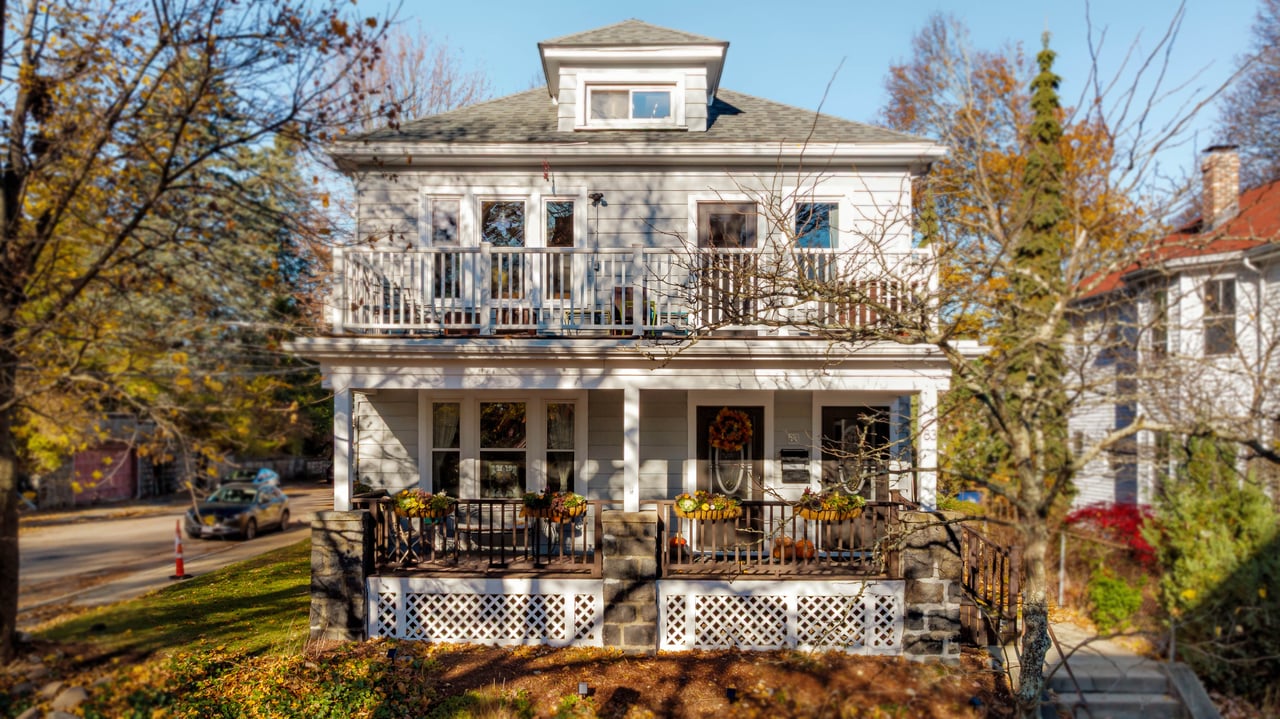
Condo stock varies, so buyer priorities do too. Historic triple-decker units often win attention for original woodwork and hardwood floors, while newer buildings bring central air, elevators, and parking. Across unit types, buyers commonly ask about in-unit laundry, parking, fees and what they cover, outdoor space, and the status of building reserves.
Your 8–10 week prep timeline
Map backward from your target list date. This plan assumes late March through May, but you can adjust to your needs.
8–10 weeks out
- Interview and select a JP-experienced listing agent. Ask for comps in your building or nearby blocks and a pricing strategy.
- Gather condo documents early. Pull bylaws, budget, financials, reserve info, and board minutes from the last 6–12 months.
- Consider a pre-listing inspection, especially for older triple-deckers. It can identify repairs to handle now instead of during negotiation.
- Check permits and close any open items with the City of Boston Inspectional Services. Confirm that any past renovation permits were closed.
- Set a modest upgrade budget and prioritize cosmetic wins like paint and lighting.
6–8 weeks out
- Complete light repairs and updates. Contractors book up fast in spring, so schedule early.
- Coordinate with the HOA on any common-area items that affect first impressions, such as porch boards, lighting, or exterior paint.
- Confirm disclosure obligations, including federal lead paint disclosures for pre-1978 units and smoke or CO compliance for sale.
3–4 weeks out
- Declutter and deep clean, including storage areas conveyed with the unit.
- Decide on staging. Your agent can advise whether to rent pieces or edit existing furniture.
- Prepare marketing assets: floor plan and measurements, condo fee details and what they include, utility costs, and a list of included items.
1–2 weeks out
- Schedule professional photos and a virtual tour. Capture building exteriors and nearby amenities like ponds, parks, and transit.
- Do a final walk-through to confirm show-ready condition and remove personal items.
- Align showing logistics with association rules, including any notice requirements or elevator scheduling.
Condo documents and compliance
Getting ahead of paperwork is one of the best ways to avoid delays and build buyer confidence.
Gather these association documents
- Master deed and your unit deed.
- Bylaws, rules, and any renovation, pet, or showing policies.
- Current budget, most recent financials, and any reserve study or summary.
- Board meeting minutes for the last 6–12 months to surface upcoming projects or assessments.
- Master insurance declarations, plus any certificate-of-insurance rules for showings.
For governance basics, review Massachusetts condominium law in M.G.L. Chapter 183A.
Disclosures and inspections in Massachusetts
- Lead paint: For properties built before 1978, federal law requires that you provide the EPA lead disclosure and pamphlet. Learn more in the EPA’s guide to real estate lead disclosure.
- Seller disclosures: Massachusetts does not require a universal residential disclosure form for condos, but buyers will review association documents and ask targeted questions. Disclose any material defects.
- Smoke and CO compliance: Verify detector placement and obtain the required inspection and certificate through the Boston Fire Department before closing.
Building rules and showing logistics
Some associations set showing windows, open house approvals, or require an escort for common areas. Clarify expectations in a one-page showing protocol your agent can share. Confirm assessment history and any capital projects. Buyers and lenders weigh these items heavily.
Utilities, parking, and laundry details
Be precise about what the condo fee covers and typical utility costs. Parking availability, assigned spaces, and guest options can be decisive. Many buyers prioritize in-unit laundry. If yours is in the building or coin-op, make that clear and provide photos of the laundry room.
Smart updates JP buyers love
Small, targeted improvements usually deliver the best returns on a short timeline.
High impact, low cost
- Fresh, neutral paint to unify rooms and brighten space.
- Lighting upgrades, brighter bulbs, and layered lamps for a larger feel.
- Kitchen refreshes like new cabinet hardware, a modern faucet, and clean grout.
- Bathroom updates such as a new mirror and lighting, a reglazed tub, and updated faucet.
- Refinished or professionally cleaned hardwood floors, especially in historic units.
- Decluttering and simple storage solutions to showcase usable space.
- Minor porch or deck repairs and a quick pressure wash where allowed.
What to skip
Avoid structural changes and luxury upgrades that push beyond neighborhood comps. You want to meet buyer expectations for JP, not overshoot them. If you are unsure, your agent can weigh expected value lift against costs using recent comparable sales.
Staging for JP spaces
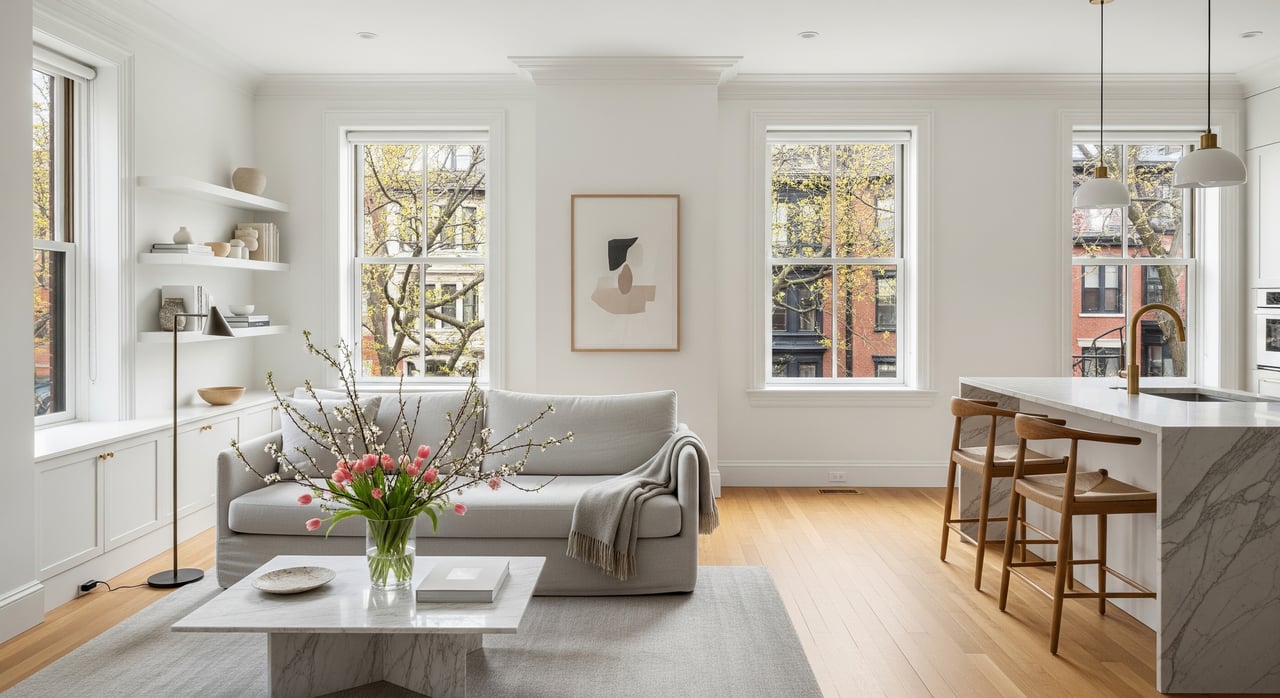
Use scaled furniture and light colors to open smaller rooms. Highlight original details like moldings and floors rather than covering them. Show flexible areas, like a desk nook that works for remote work. If you have a balcony or porch, stage it with a small table and chair set to signal everyday outdoor use.
Photos and marketing that sell
Your visuals and copy should showcase both the home and the JP lifestyle. Strong materials can shorten days on market and improve your final price.
Visuals to capture
- Wide-angle shots of the living area, kitchen, primary bedroom, and bathroom.
- Outdoor space, building exterior, foyer, and common areas.
- Neighborhood highlights, such as Jamaica Pond, the Arboretum, and transit.
- Accurate floor plans with measurements for each room. Consider a 3D tour for buyers who cannot visit right away.
Messaging that fits JP
Lead with location, transit, outdoor amenities, and clear fee disclosures. If the association recently completed projects like roofing or masonry work, note them and summarize reserve strength where allowed. For commuting context, cite proximity to the Green Line E branch and the Forest Hills hub rather than promising travel times.
Open houses and outreach
Schedule open houses within association guidelines and when foot traffic is highest, often weekends in spring. Provide a one-page neighborhood guide with parks, transit, and shopping clusters. Out-of-area buyers may not know how close they are to major green spaces and community hubs.
Social and targeted marketing
Lifestyle images resonate in spring, especially the Arboretum in bloom and calm mornings at the pond. For investor-friendly units, highlight rentability and association rental rules. Keep messaging precise, welcoming, and compliant with fair housing guidelines.
Pricing with confidence
Anchor your list price to recent closed comps in your building or within a tight JP radius. Adjust for square footage, parking, outdoor space, laundry location, condition, floor level, ceiling height, and condo fees. Be ready to share a short comps packet that explains how your price compares to new and pending listings.
Condo fees and any assessments affect buyer affordability and interest. If fees are higher than similar units, spell out inclusions such as heat, hot water, or exterior maintenance. A clear, data-driven price paired with strong presentation can drive competing offers in spring.
Seller checklist
- Choose a JP-focused listing agent and request a detailed CMA.
- Collect condo docs, budget, reserves, meeting minutes, and insurance info.
- Order a pre-listing inspection if your systems or building age warrant it.
- Check permits and violations with the City of Boston Inspectional Services.
- Prioritize cosmetic updates like paint, lighting, and minor kitchen or bath refreshes.
- Stage thoughtfully and book professional photography, floor plans, and a virtual tour.
- Prepare a marketing packet that highlights transit, parks, parking, laundry, and fee inclusions.
- Confirm showing rules with the HOA and set a clear protocol for agents.
Partner with local experts
You deserve a smooth, strategic sale with premium presentation and clear communication. Based in JP and backed by Gibson Sotheby’s International Realty, The Boston Home Team pairs neighborhood-first expertise with elevated marketing, design-aware staging guidance, and proven processes. If you are considering a spring listing, request a free neighborhood market analysis and a customized 8–10 week prep plan for your condo.
FAQs
What should a JP condo seller do first in spring prep?
- Start by selecting a JP-experienced listing agent, then gather association documents and check City of Boston permits so you can plan updates and pricing with confidence.
Are pre-listing inspections worth it for older JP condos?
- Yes, they often pay off by revealing repairs to address early, reducing buyer objections and smoothing negotiations, especially in triple-decker buildings.
How do condo fees and assessments affect pricing in JP?
- Buyers weigh total monthly cost, so be transparent about fee inclusions and any assessments, then price against similar units with comparable fees and amenities.
What disclosures are required for pre-1978 JP condos?
- You must provide the federal lead paint disclosure and EPA pamphlet, and you should disclose any known material defects along with association documents buyers will review.
Do I need floor plans and a virtual tour for my listing?
- Floor plans and a simple 3D tour help buyers understand layout and scale, which can widen interest and reduce time on market, especially for out-of-town shoppers.