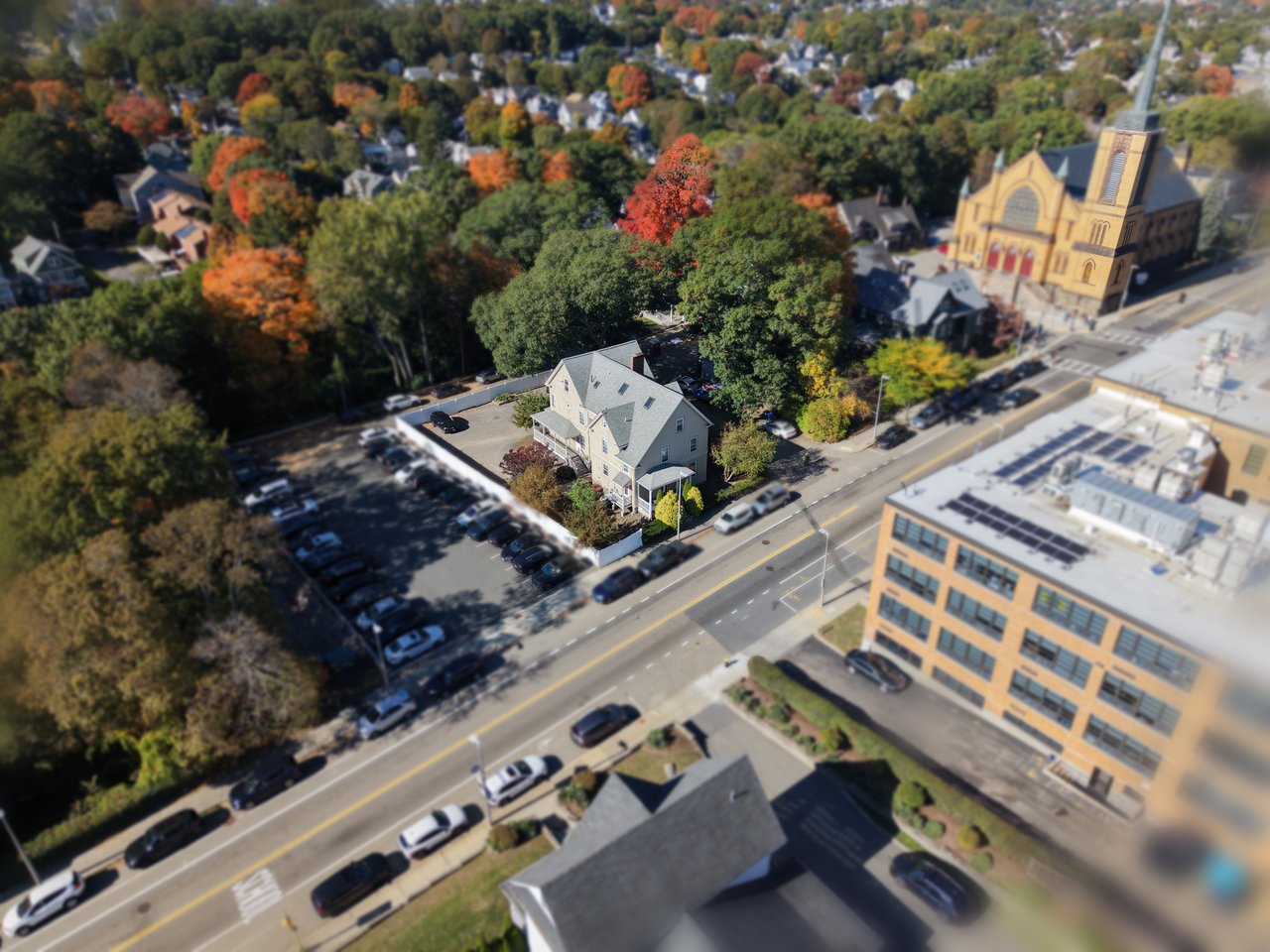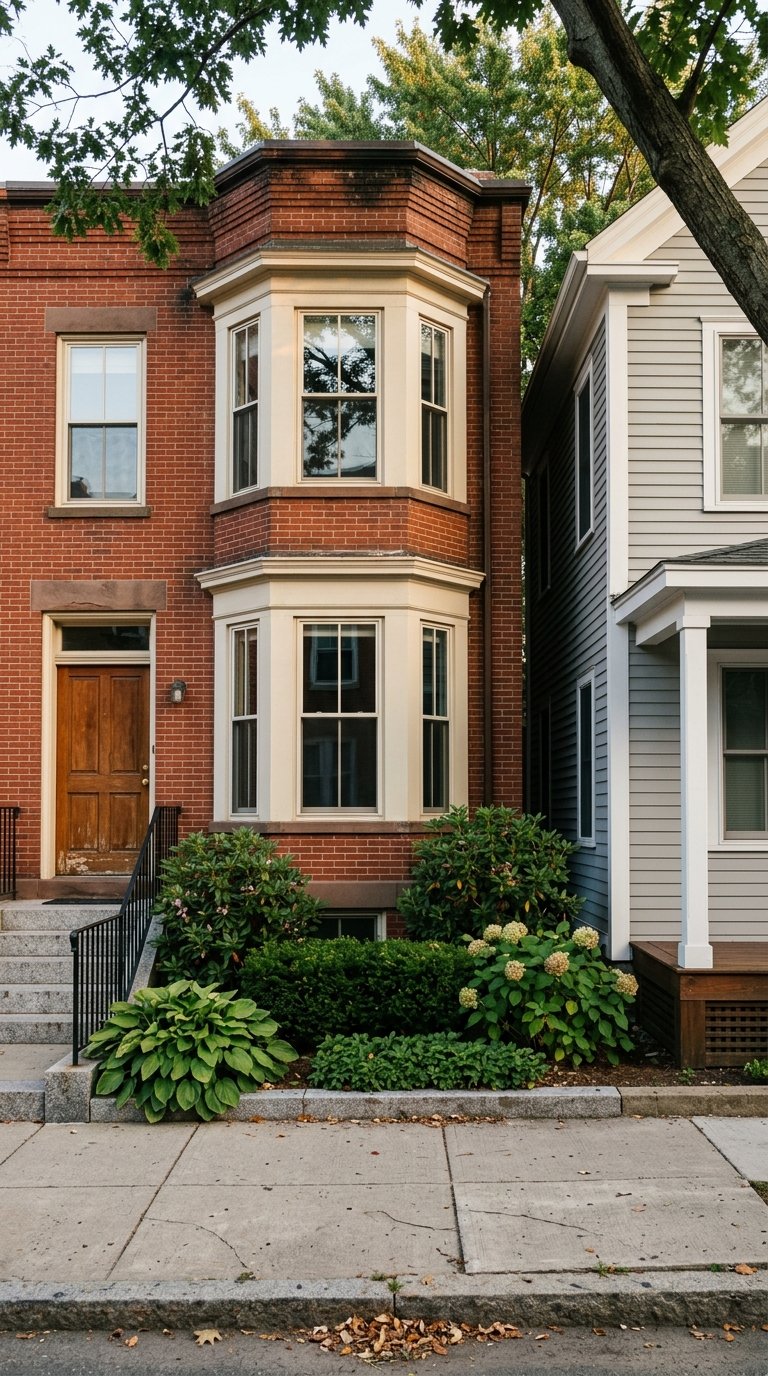
If you have ever walked through Jamaica Plain and thought, "This doesn’t feel like the same neighborhood from one section to the next," you are not imagining it. JP has a strong overall identity, but it also changes block by block in ways that matter when you are choosing where to live, buy, or sell. In this guide, you will get a clear feel for three distinct micro-neighborhoods in Jamaica Plain: Pondside, Stonybrook, and Moss Hill. Let’s dive in.
Why Jamaica Plain Feels So Varied
Jamaica Plain is one of Boston’s official neighborhoods, and the city describes it as a dynamic, diverse area shaped by major open spaces like the Emerald Necklace, Arnold Arboretum, Franklin Park, and Jamaica Pond. The city also frames JP as a patchwork of subareas rather than one uniform place. That is a helpful starting point if you are trying to understand why one home search in JP can feel very different from another.
From a planning standpoint, JP also has an unusual mix of density, greenery, and mobility options. Boston’s open-space plan reports 10.94 acres of open space per 1,000 residents in Jamaica Plain, compared with 7.64 citywide. The same plan notes that 50.62% of households have no motor vehicle, which helps explain why some parts of JP feel especially walkable and transit-connected while others feel quieter and more tucked away.
A Simple Way to Think About It
If you want the shortest version, this is the cleanest framework: Pondside feels tied to the pond and estate legacy, Stonybrook feels tied to the transit corridor and triple-decker mix, and Moss Hill feels tied to hillside single-family calm. Those differences show up in housing patterns, street activity, green space access, and day-to-day rhythm.
For buyers, that can shape what kind of lifestyle fits best. For sellers, it can shape how your home should be positioned and marketed. Even within one neighborhood name, the lived experience can vary quite a bit.
Pondside Feels Scenic and Residential
Pondside’s Character
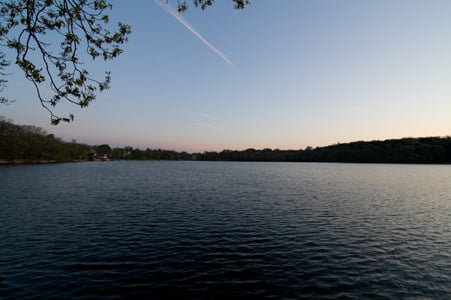
Pondside is closely linked to Jamaica Pond and the area’s older estate landscape. According to the Jamaica Plain Historical Society, Pond Street once functioned as the perimeter road around the pond, and many estates sat back from the shoreline. Over time, some of those larger homes remained as residences while others were converted to condominiums.
That history helps explain why Pondside often feels quieter, older, and more residential than the more retail-heavy parts of JP. You are less likely to experience it as a commercial hub and more likely to experience it as a place shaped by mature homes, established streets, and the nearby water.
Pondside’s Green Space Appeal
Jamaica Pond is the defining amenity here. The city notes that the pond supports rowing, sailing, fishing, running, biking, concerts, theater performances, and children’s programs. The boathouse and bandstand, both added in 1912, also add to the area’s long-standing public and recreational identity.
Because the pond was preserved and enhanced as part of Olmsted’s park system, Pondside has a scenic, park-adjacent quality that stands out even within a green neighborhood like JP. If you picture morning walks, looped runs, and a more peaceful streetscape, this is often the part of Jamaica Plain people have in mind.
Pondside’s Day-to-Day Rhythm
Pondside usually feels less centered on one transit stop and more dependent on the exact address. Some blocks are more convenient to transit than others, so the commute experience can vary. That gives the area a more residential rhythm than a station-centered one.
In practical terms, Pondside often appeals to people who want access to outdoor space and a classic JP feel, while still staying connected to the rest of the neighborhood. It tends to feel calm without feeling cut off.
Stonybrook Feels Connected and Layered
Stonybrook’s Housing Mix
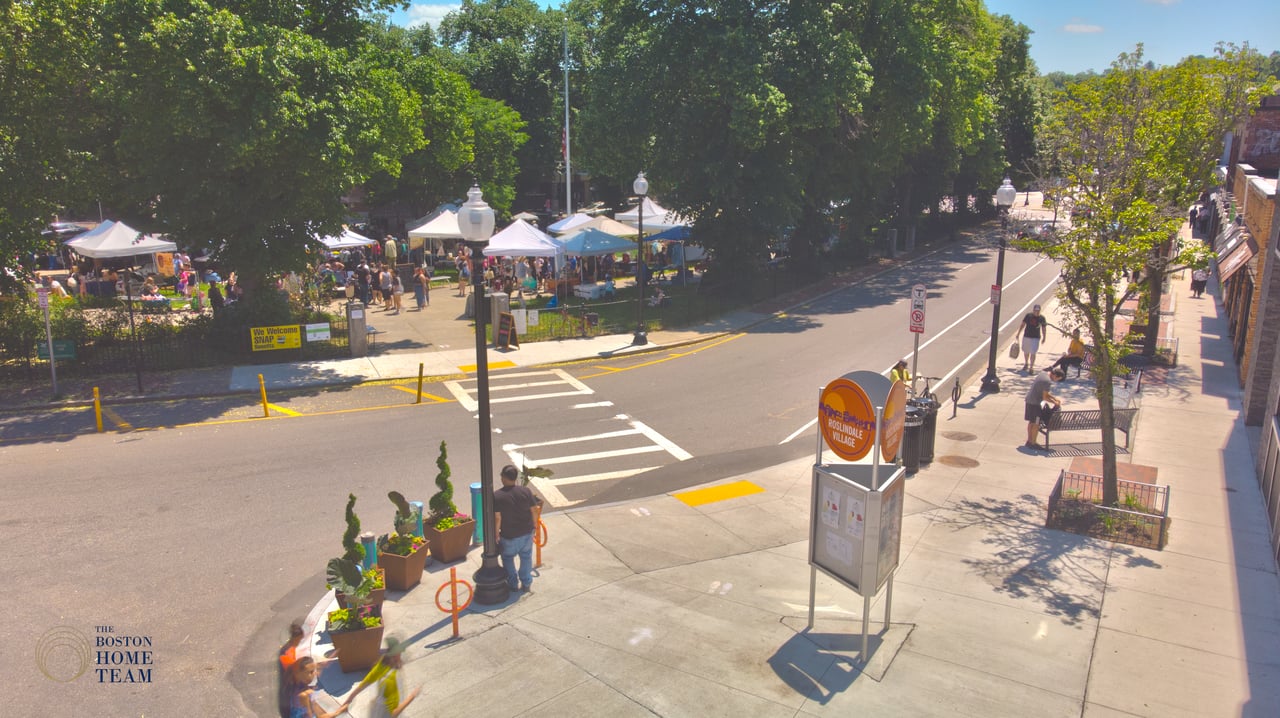
Stonybrook has a denser, more urban feel than Pondside. In the Boston Landmarks Commission study of 19 Kenton Road, the surrounding area is described as largely made up of three-story triple-decker residences, with a light commercial strip along Washington Street. The report also notes that 19 Kenton Road itself was built as an income-producing detached two-family dwelling.
That combination creates a layered housing pattern. You see older multifamily stock, some single-family pockets, and a stronger relationship to nearby commercial corridors. Compared with Pondside, Stonybrook typically reads as more mixed, more active, and more urban.
Stonybrook’s Streets and Movement
Stonybrook also has a strong connection to transportation and street design. The city’s Neighborhood Slow Streets work in the area added speed humps, pavement markings, signage, and a diverter on Dungarven Road to reduce cut-through traffic and improve safety for walking and biking.
That detail matters because it reflects how people experience the neighborhood. Stonybrook is not just about buildings or transit access. It also feels shaped by movement, corridor planning, and a daily pattern of walking, biking, and getting around without relying entirely on a car.
Stonybrook’s Transit Identity
Of the three areas in this article, Stonybrook is the clearest fit for a walk-to-transit lifestyle. It sits within the corridor tied to the Orange Line and the Southwest Corridor system, and JP’s broader rail options include Jackson Square, Stony Brook, Green Street, Forest Hills, the Heath Street Green Line stop, and the Forest Hills Commuter Rail station.
That does not mean every block feels the same, but it does mean Stonybrook often stands out for buyers who prioritize daily transit convenience. If Pondside feels pond-centered, Stonybrook feels corridor-centered.
Moss Hill Feels Quiet and Tucked Away
Moss Hill’s Residential Feel
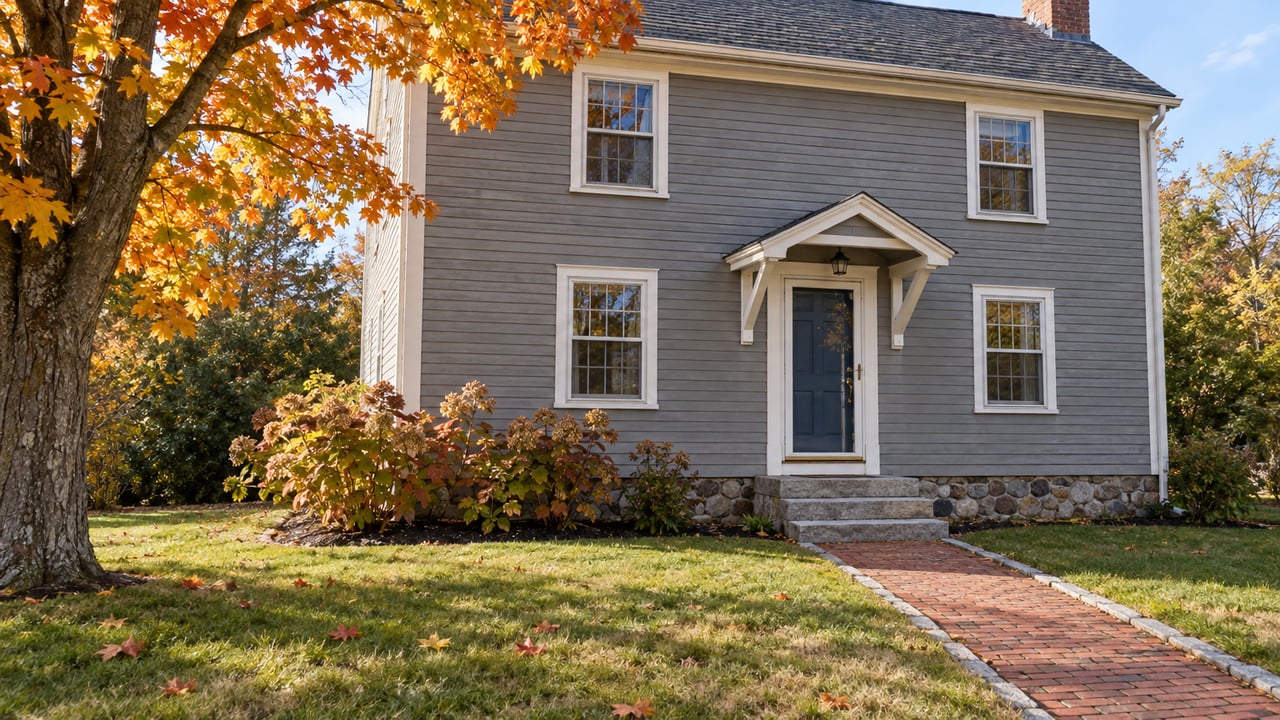
Moss Hill is the lowest-density of these three micro-neighborhoods and often the most secluded in feel. Boston’s open-space plan explicitly identifies it as a low-density single-family area. Historical accounts also describe a hilltop estate landscape with large family houses, old gardens, and later smaller-scale development.
For many buyers, the practical takeaway is simple. Moss Hill often means larger lots, more privacy, and less of a storefront or streetwall environment. It tends to feel more removed from busy corridors and more centered on residential calm.
Moss Hill’s Open-Space Context
Even though Jamaica Plain is known for strong open-space access overall, Moss Hill has a different relationship to parks than some other parts of the neighborhood. Boston’s open-space plan notes that Moss Hill has some of JP’s most limited walkable access to city parks, even though it is close to Brookline’s Larz Anderson Park. The same document notes that west-of-Centre sections still benefit from proximity to the Arboretum and Jamaica Pond.
That mix helps explain the neighborhood’s personality. Moss Hill is still connected to the broader green character of JP, but it tends to feel more private and less park-loop or retail-corridor driven in everyday use.
Moss Hill’s Commute Pattern
Moss Hill is also the least station-centric of the three. Compared with Stonybrook and, in many cases, Pondside, residents are more likely to think in terms of a longer walk, a bus connection, biking, or driving to reach major rail options.
That often works well for buyers who care more about space and privacy than about being right near a station. If your ideal home base feels more tucked into the hillside than plugged into a corridor, Moss Hill may feel like the right fit.
How These Areas Compare
| Micro-neighborhood | Overall feel | Typical housing pattern | Defining feature | Commute feel |
|---|---|---|---|---|
| Pondside | Scenic, established, residential | Older homes, some condos, estate legacy | Jamaica Pond | Varies by block |
| Stonybrook | Urban, connected, layered | Triple-deckers, multifamily mix, corridor-edge housing | Transit corridor and Southwest Corridor area | Most transit-forward |
| Moss Hill | Quiet, secluded, hillside | Low-density single-family | Privacy and larger-lot feel | Least station-centric |
What This Means for Buyers and Sellers
If you are buying in Jamaica Plain, it helps to think beyond the ZIP code or even the neighborhood name. The right fit may come down to whether you want pond access, a stronger transit connection, or a quieter residential setting. In JP, those tradeoffs can shift quickly from one micro-neighborhood to another.
If you are selling, your home’s location within Jamaica Plain can shape buyer expectations in important ways. A Pondside home may draw attention for its proximity to the pond and scenic character, while a Stonybrook property may resonate with buyers focused on transit and multifamily housing patterns. A Moss Hill home may appeal to buyers looking for privacy, low-density surroundings, and a more tucked-away setting.
That is why neighborhood storytelling matters. In a place as layered as Jamaica Plain, strong marketing is not just about square footage or finishes. It is also about helping buyers understand how a home lives within its immediate surroundings.
If you are thinking about buying or selling in Jamaica Plain, working with a team that understands these micro-neighborhood differences can make your next move more strategic and less stressful. You can start with a free neighborhood market analysis from The Boston Home Team.
FAQs
What makes Jamaica Plain micro-neighborhoods feel different?
- Jamaica Plain includes subareas with different housing density, park access, commercial activity, and transit patterns, so the neighborhood does not feel uniform from one section to another.
What does Pondside in Jamaica Plain feel like?
- Pondside generally feels quieter, more scenic, and more residential, with a strong connection to Jamaica Pond and the area’s older estate history.
What does Stonybrook in Jamaica Plain feel like?
- Stonybrook usually feels denser and more urban, with triple-deckers, multifamily housing, light commercial edges, and strong access to transit corridors.
What does Moss Hill in Jamaica Plain feel like?
- Moss Hill tends to feel low-density, private, and hillside residential, with more single-family homes and a less station-centered daily rhythm.
Which Jamaica Plain micro-neighborhood is best for transit access?
- Of the three covered here, Stonybrook is the most transit-forward because it is most closely tied to the Orange Line and the Southwest Corridor system.
Why do Jamaica Plain buyers need to understand micro-neighborhoods?
- Understanding micro-neighborhoods helps you focus on the lifestyle, housing type, and commute pattern that best match your goals, instead of treating all of Jamaica Plain as one experience.