Thinking about trading yard work for a simpler, lock-and-leave lifestyle without leaving the Newton or Brookline area? You are not alone. Many longtime homeowners are choosing condos for less maintenance and closer access to transit, services, and culture. In this guide, you will learn what downsizing really costs, how HOA fees work, what to look for in a building, and how to time your sale and purchase with less stress. Let’s dive in.
Why consider condos here
Newton and Brookline are close-in, high-demand suburbs where condos offer a more attainable entry point than most single-family homes. According to the latest Newton market snapshot, the 2025 median condo sale price was about $1.18M compared to roughly $1.81M for single-family homes, and condo months-supply was higher than single-family inventory. That means you may face a stronger seller’s market when you sell your house than when you shop for a condo. You can review the figures in the Massachusetts Association of Realtors report for Newton for context on prices and supply.
Brookline shows a similar pattern. The 2025 median condo price hovered around $0.93M in March 2025, while single-family medians were in the $2.3M to $2.4M range. The gap between property types is often more than $1M. You can see the town’s condo and single-family trends in the Brookline report. These differences influence how much equity you can keep and how you should plan the sequence of selling and buying.
What downsizing really costs
Purchase price gap at a glance
- Newton example: median condo about $1.18M vs. median single-family about $1.81M. That is a raw gap of roughly $600k or more.
- Brookline example: median condo about $0.93M vs. median single-family around $2.35M. The gap is often well over $1M.
These are city and town medians. Individual buildings, villages, and unit sizes will change your numbers. Small samples can swing monthly medians, so rely on rolling 12-month trends and building-level comps when you get specific.
Monthly carrying costs to compare
Create a simple side-by-side budget before you start touring. Focus on:
- HOA/common charges. In Newton and Brookline, examples commonly range from the mid-$500s to $1,000+ per month depending on age, size, and services like garage parking, concierge, pool, or fitness center. Full-service buildings tend to sit at the higher end because they replace many services you would otherwise manage as a homeowner.
- Property taxes. Rates differ by municipality and assessed value. Newton’s FY2026 residential rate was presented around $9.69 per $1,000. Brookline’s FY2026 discussion showed rates in the mid-$10 per $1,000 range depending on the residential exemption. Always confirm the current fiscal year’s rate and whether a residential exemption applies to you.
- Insurance and utilities. You will typically carry HO-6 (unit) insurance while the association insures the building shell and common areas. Ask what the HOA includes, such as heat, hot water, gas, or internet, and budget for the rest.
A quick equity picture
If you sell near the Newton single-family median and buy near the Newton condo median, the raw price gap is about $630k in this snapshot. In Brookline, the raw gap between a typical single-family and a condo is often more than $1M. Your net proceeds will be different after you account for closing costs, potential capital gains taxes, moving expenses, and any initial condo contributions or assessments. Use these medians as a directional starting point, not a promise of savings.
Taxes and your sale
If you qualify, the federal capital gain exclusion can shelter up to $250,000 of gain if you file single or $500,000 if you are married filing jointly, provided you meet the ownership and use tests. Review the rules and examples in IRS Publication 523 and consult a tax professional for your specific situation. On the local side, each municipality sets property tax rates annually, so confirm the fiscal year rate and residential exemption before you finalize a budget.
Understanding HOA fees and services
HOA fees pay for building operations, reserves, and common-area services. In this market, you will see a wide range.
- Newer boutique buildings in Newton often show HOA fees in the $650 to $775 range for one-bed units with garage parking and modern amenities.
- Mid-rise, full-service complexes in Chestnut Hill frequently range from the $700s to $900s per month and may include amenities like a pool, gym, and concierge.
- In Brookline, older full-service towers with larger amenity packages often post common charges from the high $800s to above $1,100, depending on unit size and services.
Higher fees are not automatically a negative. When heat, hot water, exterior maintenance, snow removal, security, package handling, and on-site staff are included, your out-of-pocket and time commitments can drop. Focus on what the fee covers, the strength of reserves, and the building’s maintenance track record.
Association due diligence you should not skip
Treat the association like a co-owner. Healthy governance and finances matter as much as granite and sunlight.
- Order a current 6D or estoppel certificate before closing. This document confirms the monthly common charge, any arrears, and known special assessments. Learn more about 6D certificates and why lenders require them.
- Read the master deed, bylaws, budget, and the most recent reserve study. Massachusetts condominium law under Chapter 183A sets the framework for governance and association liens. Large assessments, low reserve balances, rising insurance premiums, or active lawsuits are red flags. Work with counsel if anything is unclear.
- Ask for the last 12 months of board meeting minutes and the last 3 years of financials. Minutes often reveal upcoming capital projects or recurring issues like elevator outages or roof work. If there is a professional management company, request the management contract and fee schedule.
Accessibility and convenience features that matter
For many downsizers, comfort and access are top priorities. Use a clear checklist to match your needs.
In your unit
- One-level living with step-free entry and minimal thresholds
- In-unit laundry
- Walk-in or curbless shower and lever-style hardware
- Bright, even lighting and non-slip surfaces
- Enough clearance for mobility devices if needed
A helpful reference is the AARP HomeFit Guide, which outlines practical room-by-room ideas for safe, comfortable living.
In your building
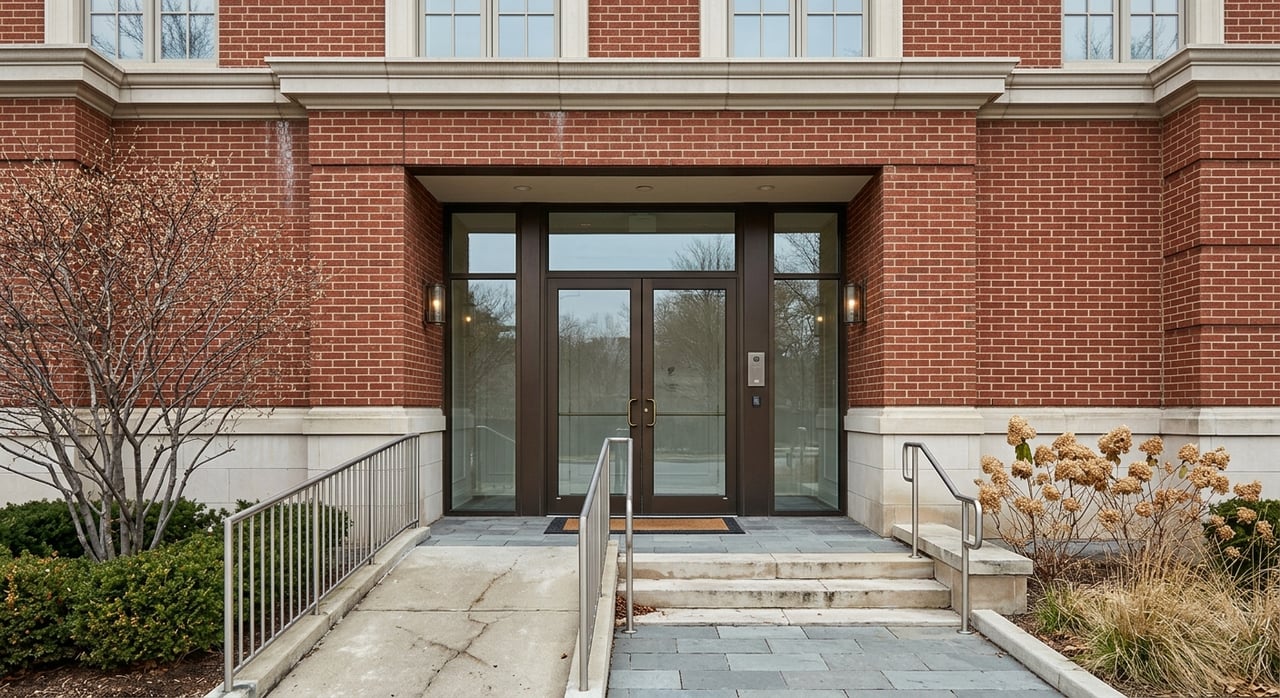
- Reliable elevator service and a smooth path from parking to your door
- Assigned or covered parking
- Secure entry and package storage
- On-site or promptly responsive property management
- Accessible common rooms and restrooms
In the neighborhood
Newton and Brookline offer strong transit access and walkable village centers. Several Newton villages sit along the MBTA Green Line D Branch, and many Brookline neighborhoods are served by the C and D branches. Confirm walking distances and routes to transit, shops, and medical services when you tour. The City of Newton’s Green Line resource page is a good place to orient yourself.
Timing your sale and purchase
Low months-supply and seasonal swings can make timing tricky. Here are the common paths and tradeoffs.
Sell first, then buy
This is the lowest-risk approach for your sale and maximizes your negotiating strength. It may require a short-term rental or leaseback while you shop for the right condo.
Buy first with financing or a well-structured contingency
Some buyers use bridge financing to purchase before selling. These loans are short-term and usually carry higher costs. If you are 62 or older, the HECM for Purchase program is another path that can reduce or eliminate required monthly mortgage payments, subject to FHA rules and counseling. Review the program details in HUD’s overview and talk with a qualified lender.
Sale contingency or rent-back
Contingent offers are more common when inventory is looser. In tight segments, a sale contingency may be less competitive. A negotiated rent-back after you sell your house can give you 30 to 90 days to move, if your buyer agrees. Your agent and attorney can help you structure terms that protect your timelines.
Touring checklist: what to ask and verify
Bring a short list to every showing and follow-up.
- Monthly HOA and what it includes: heat, hot water, gas, trash, snow removal, reserve contributions, internet or cable
- Financial health: last three years of budgets or audited financials, reserve study date and funding level, history of special assessments
- Governance and operations: board meeting minutes for the last 12 months, management company details, contract terms, and any pending litigation
- Building condition: age and schedule of roof, boilers, façade, elevators; frequency of service interruptions
- Parking and storage: deeded vs. assigned, guest parking policy, storage lockers
- Unit systems: HVAC, hot water, electrical capacity and outlet layout; any signs of water intrusion or freeze damage; what modifications need board approval
A simple plan to get started
- Get a detailed net-proceeds estimate for your house based on recent comps.
- Secure a lender pre-approval that includes HOA fees in your debt-to-income analysis.
- Decide whether you can tolerate a sale contingency. If not, explore bridge financing or HECM for Purchase options with a lender.
- Start building due diligence early. Request the association’s 6D and key documents as soon as you identify a target building.
- Cross-check property tax rates for the current fiscal year and confirm whether a residential exemption applies to your situation.
Downsizing is as much about lifestyle as it is about numbers. If you want a smoother path and local, building-by-building insight in Newton and Brookline, reach out to our team. You will get data-driven pricing, clear steps, and a steady partner from first tour to final walk-through. Connect with The Boston Home Team to start planning your move.
FAQs
Will I save money by moving to a condo in Newton or Brookline?
- It depends on your sale price, the condo you buy, HOA fees, property taxes, insurance, and your lifestyle; use city and town medians as a guide, then build a line-item budget tailored to your target buildings.
How much should I budget for HOA fees and possible assessments?
- Plan for HOA fees anywhere from the mid-$500s to $1,000+ per month locally, and review the reserve study, financials, and assessment history to gauge your risk of extra costs.
What is a 6D certificate and why does it matter?
- A 6D confirms your condo’s common charges and any arrears or known assessments, and lenders typically require it at closing in Massachusetts.
Can I make accessibility updates like grab bars or a curbless shower?
- Interior updates are typically allowed, but always check bylaws and procedures for board approval, and follow the association’s rules for any common-area changes.
Is a reverse mortgage for purchase an option for downsizing?
- If you are 62 or older, the FHA-insured HECM for Purchase can help you buy with a large down payment and no required monthly mortgage payment, subject to counseling and program limits.
How competitive are sale-contingent offers in this area?
- Conditions vary by segment; single-family sellers in Newton often see tight months-supply, while condos can have slightly more availability, so tailor your offer strategy to the specific building and current data.