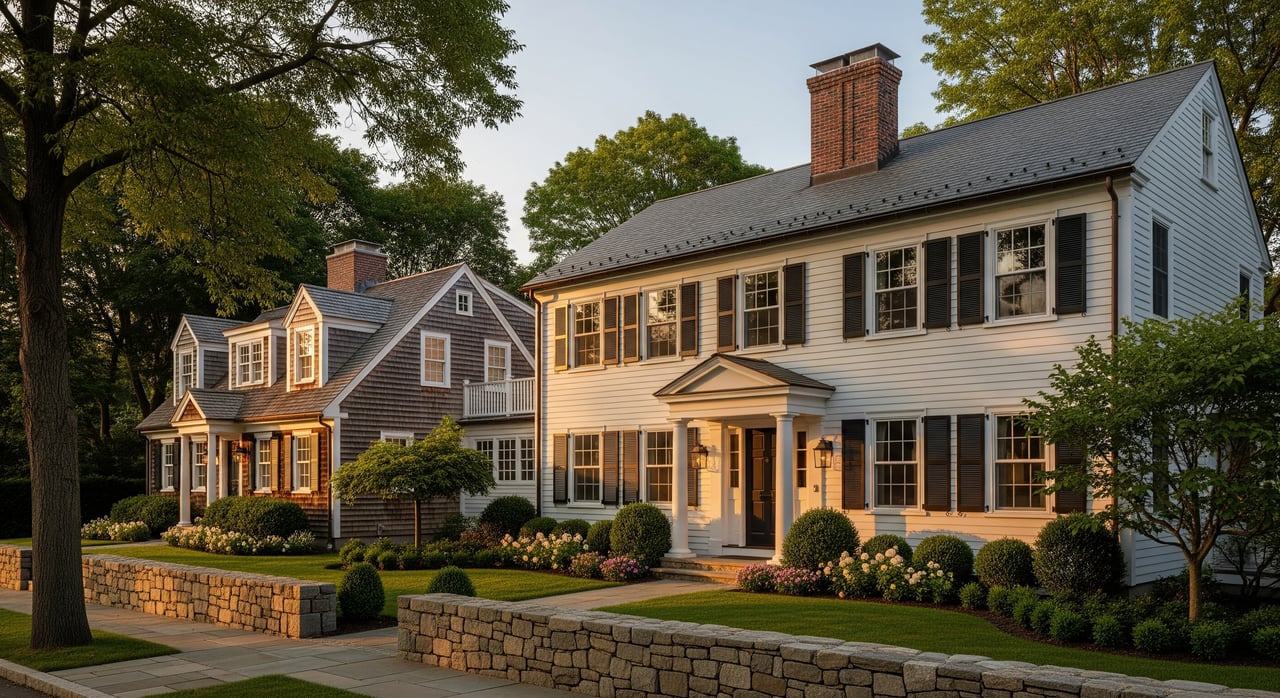
Thinking about buying in Arlington but not sure which home style fits you best? With many homes built from the late 1800s through the mid-1900s, you will see a mix of Colonials, Capes, Victorians, townhomes, and condo conversions. It can be hard to picture how each layout lives day to day or what updates to expect in an older New England house. In this guide, you will learn how to spot each style, what the typical floor plan looks like, and how to match your priorities to the local inventory and budget. Let’s dive in.
Why Arlington’s mix works for buyers
Arlington sits close to Cambridge and Boston, which keeps demand strong for homes with good commute access and community amenities. The town’s older housing stock means you will find historic character along with modest lot sizes compared with outer suburbs. Inventory often includes single-family Colonials and Capes, Victorians, two- and three-family homes, and a smaller number of ranches or split-levels. Townhouse-style condos and newer infill appear in select pockets near main corridors.
Colonial homes: classic and adaptable
Floor plan and flow
Most Colonials are two stories with a center-hall layout. You typically walk into a stair hall, with a living room and dining room on either side and the kitchen at the rear. Upstairs you usually find 3 to 4 bedrooms, with an attic and basement for storage or potential expansion.
What buyers appreciate
- Classic curb appeal and a flexible plan that adapts well to modern living.
- Straightforward options to open the kitchen to family space or to add a rear addition.
- Attic conversions can add bedrooms or a primary suite when ceiling height allows.
Keep in mind
- Older Colonials may have smaller original kitchens and baths.
- Electrical, plumbing, and insulation often need updating for comfort and efficiency.
Cape Cod homes: compact and efficient
Floor plan and flow
Capes are 1 to 1.5 stories with a steep roof and a simple footprint. Many have two bedrooms on the main level, plus one or two rooms upstairs in dormers. The main level combines a living room, kitchen, and often a small dining area.
What buyers appreciate
- Often a more accessible entry point in Arlington’s single-family market.
- Lower heating footprint and manageable renovation scope.
- Good options for single-level living, with flexible attic bedrooms for guests or office space.
Keep in mind
- Original layouts can feel segmented without a renovation to open walls.
- Kitchens and baths are usually smaller in older examples.
Victorian homes: character and volume
Floor plan and flow
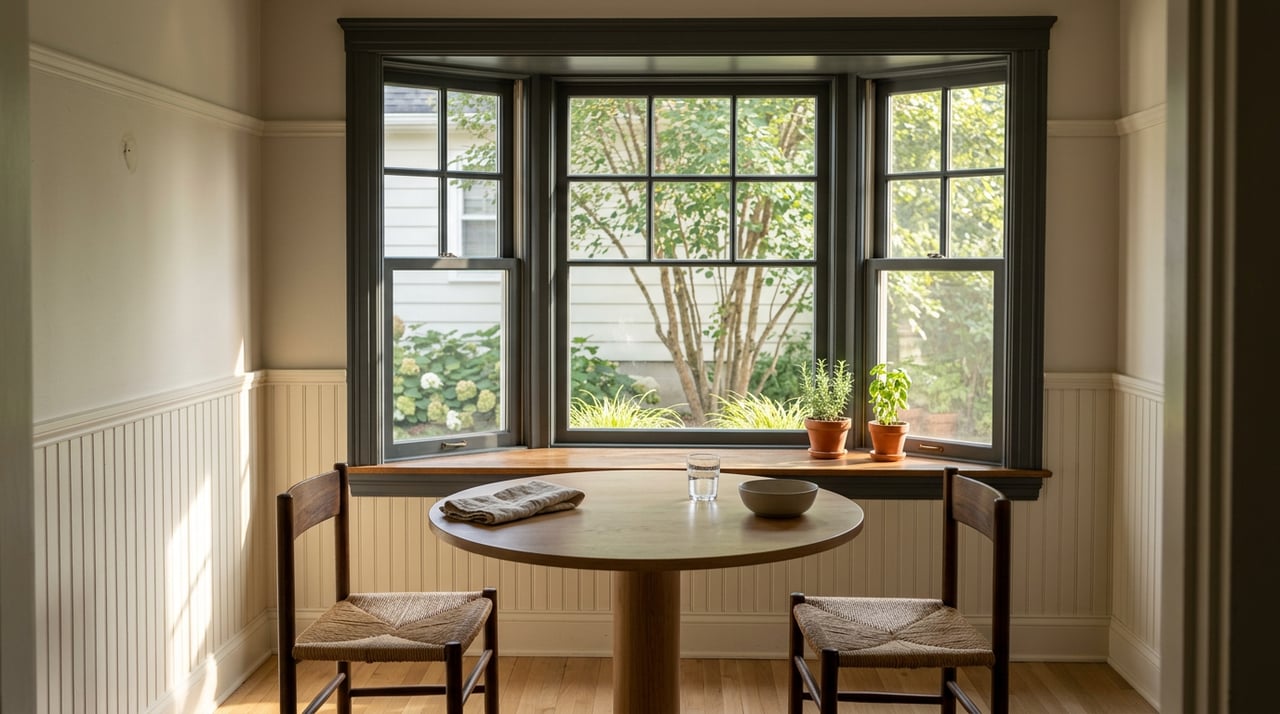
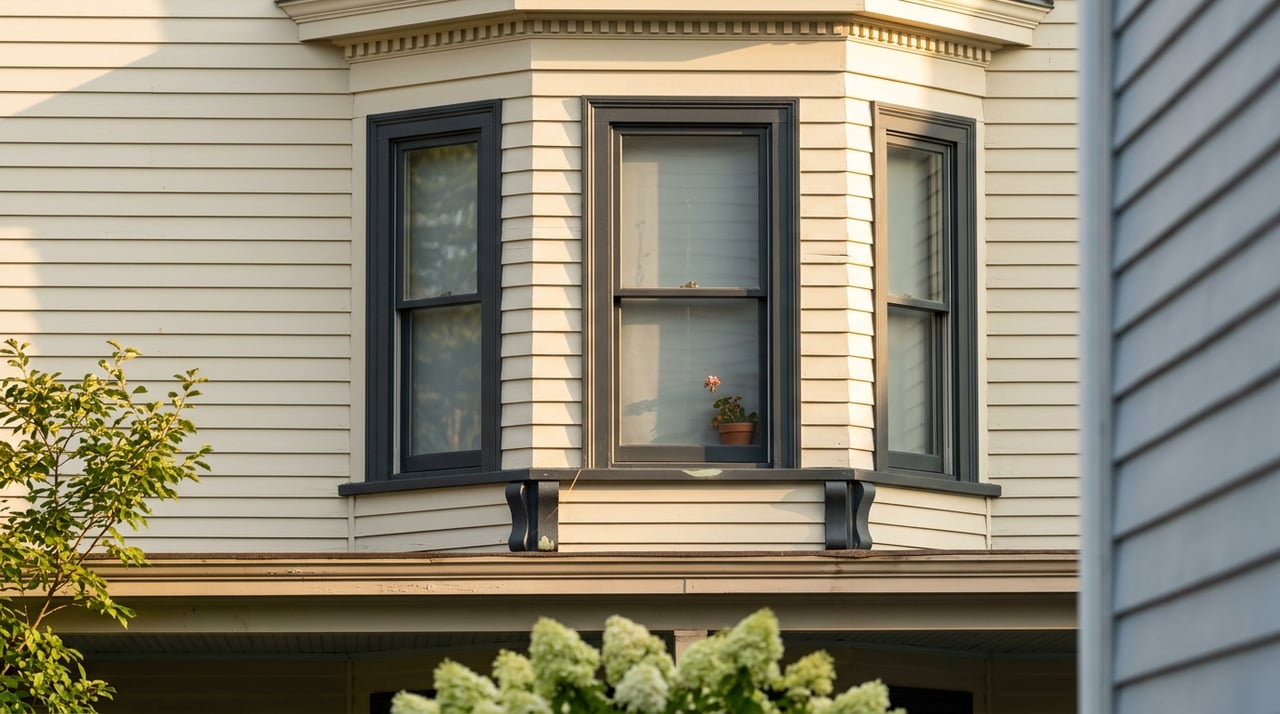
Victorians often feature asymmetrical facades, porches, taller ceilings, and detailed trim. Inside, you may see formal parlors, bay windows, and multiple small rooms arranged across two or three levels. Many have unfinished attics with potential for future use.
What buyers appreciate
- Period details like moldings, staircases, and large windows.
- Generous ceiling heights and room sizes in many examples.
Keep in mind
- Exteriors with decorative trim require regular maintenance.
- System upgrades are common, including HVAC and wiring.
- Opening rooms for a modern plan can be more complex due to structural and layout quirks.
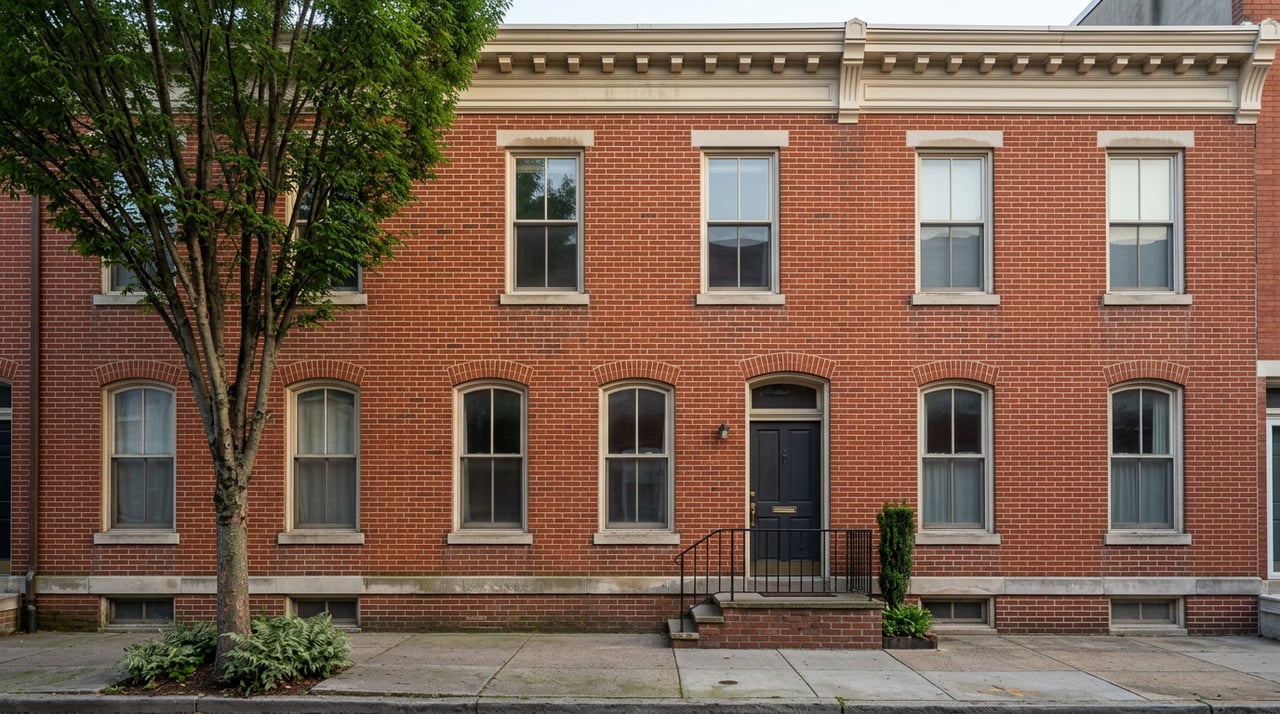
Townhomes and multi-family conversions
What you will see
You will find attached townhomes, older walk-up buildings converted to condos, and newer infill along certain corridors. Plans are often vertical, with living spaces on one level and bedrooms above.
What buyers appreciate
- Lower maintenance than a detached single-family.
- Often better affordability relative to standalone houses.
- Proximity to transit and commercial areas.
Keep in mind
- HOA fees apply for condo or townhome communities.
- Outdoor space is more limited and shared in many cases.
Other styles to watch for
- Bungalow or Craftsman: One or one-and-a-half stories, porches, and open living rooms with smaller overall footprints.
- Ranch or split-level: Less common in inner-ring towns like Arlington but present in select areas or as later infill. For single-level living, consider raised ranches or Capes with a first-floor bedroom suite.
Typical layouts and room counts
- Colonial: Often 3 to 4 bedrooms after attic conversions, with formal living and dining rooms. Updated Colonials may open the kitchen to a family room.
- Cape: Typically 2 to 3 bedrooms, with compact living zones. Dormers add useful upstairs space.
- Victorian: Frequently 3 to 5 bedrooms, multiple formal rooms, and possible attic potential.
- Townhomes and condos: Commonly 1 to 3 bedrooms, with vertical flow or single-level flats.
Match your priorities to the inventory
If you want a move-in-ready feel
Look for renovated Colonials, updated Capes, or newer townhomes near transit corridors. Prioritize updated kitchens and baths, newer roofs, and efficient systems to minimize short-term projects.
If you value historic detail
Target Victorians and older Colonials with preserved trim, staircases, and original windows. Plan for ongoing exterior care and budget for insulation, mechanicals, and possible window restoration or upgrades.
If single-level living matters
Focus on Capes with main-level bedrooms, raised ranches, or Colonials that already offer or can accommodate a first-floor suite. If a suite is not present, consider whether the footprint and lot can support an addition.
Budget tiers and trade-offs
- Tighter budgets: Smaller Capes, modest Colonials, or condo and townhome units can offer strong value. Expect compact kitchens and baths and plan selective updates over time.
- Midrange budgets: Classic Colonials or larger Capes with options to expand. Consider a rear addition or dormers to create an open kitchen and family room.
- Larger budgets: Restored Victorians, substantially updated Colonials, or properties suited for major expansion. Homes with larger lots and strong period character often command premiums.
Renovations that resonate in Arlington
- Kitchens and baths: Modern layouts, storage, and clean finishes drive decisions.
- Flexible space: Create a quiet home office, den, or guest room.
- Energy efficiency: Improve insulation, upgrade HVAC, and consider high-efficiency water heaters and windows where appropriate.
- Primary suite: An en-suite bathroom is a frequent request and a strong value add.
- Storage and parking: Basements, attics, and off-street parking matter on tighter lots.
Inspection and regulatory essentials
Common issues in older New England homes
- Lead paint in pre-1978 homes may be present and requires proper handling.
- Older wiring, including knob-and-tube, and undersized electrical service may need upgrades.
- Legacy oil tanks and older boilers are common and can carry replacement or environmental costs.
- Stone or brick foundations may show moisture or drainage issues.
- Many pre-1950 homes benefit from added insulation and air sealing for comfort and efficiency.
Historic districts and exterior changes
Certain neighborhoods have local historic oversight that affects visible exterior work like siding, windows, and additions. If you plan exterior changes, check with the Historical Commission or local planning before finalizing your renovation scope.
Zoning and expansion
Setbacks, lot coverage, and other zoning rules can limit additions. Confirm feasibility with the Building Department early, especially for rear additions, dormers, or accessory structures.
Financing and appraisal
If a home needs significant repairs or you are buying a small multi-family, some lenders may require specific fixes before closing. Renovation loan programs can help finance updates when you want to roll improvement costs into your mortgage.
How to start your Arlington search
- Define must-haves: Bedrooms, baths, parking, and outdoor space.
- Choose your style: Visit open houses to test how each layout lives.
- Think commute and amenities: Proximity often affects price and competition.
- Get pre-approved: Be ready to act in a competitive market near Cambridge and Route 2 corridors.
- Plan your renovation path: Prioritize kitchens, baths, energy efficiency, and flexible spaces.
- Bring in experts early: Use an inspector familiar with older homes and confirm rules if you anticipate exterior changes.
Ready to find the right fit for your lifestyle and budget in Arlington? Whether you are drawn to the classic center-hall Colonial, an efficient Cape, a character-rich Victorian, or a low-maintenance townhome, you can align your priorities to the local stock with a clear plan for updates and upkeep. If you want a calm, strategic partner for tours, pricing, and negotiation, reach out to the team that pairs neighborhood expertise with premium marketing. Connect with The Boston Home Team to get started today.
FAQs
What is the main difference between Colonial and Cape layouts in Arlington?
- Colonials are usually two full stories with a center hall and formal rooms, while Capes are 1 to 1.5 stories with compact main-level living and dormered bedrooms above.
Are Victorian homes in Arlington harder to maintain than newer styles?
- Many Victorians have detailed exterior trim and older systems, so plan for more maintenance and potential upgrades compared with newer or renovated homes.
Can I add a primary suite to an older Arlington home?
- Yes, many buyers add suites through attic conversions, dormers, or rear additions, but confirm structural needs, egress rules, zoning, and budget early.
What inspection issues should first-time buyers expect in older Arlington homes?
- Common items include lead paint, older wiring, legacy oil systems, foundation moisture, and insulation needs; budget for updates based on inspection findings.
Will historic district rules affect my renovation plans in Arlington?
- In designated local districts, visible exterior changes may require review; contact the Historical Commission or planning staff before finalizing designs.
Which Arlington home styles work best for single-level living?
- Look for Capes with first-floor bedrooms, raised ranches, or Colonials already configured with a main-level suite, or plan an addition if the lot allows.