Thinking about living in one unit and letting the other units help pay the mortgage? In Roslindale, two- and three-family homes are a classic path to build equity while keeping your monthly costs in check. You might be a first-time buyer, an investor-in-training, or a long-time renter ready to become a landlord. In this guide, you’ll learn how the Roslindale market works, what to look for in older multifamily homes, which financing options can lower your down payment, and how to underwrite the numbers with confidence. Let’s dive in.
Why Roslindale works for house-hacking
Roslindale offers a neighborhood feel with access to transit, shops, and dining around Roslindale Village. The Boston Planning & Development Agency highlights active planning work in the area, which supports long-term neighborhood vitality and access to services. You can explore the neighborhood context through the BPDA’s Roslindale resources for a sense of current initiatives and connectivity (BPDA Roslindale overview).
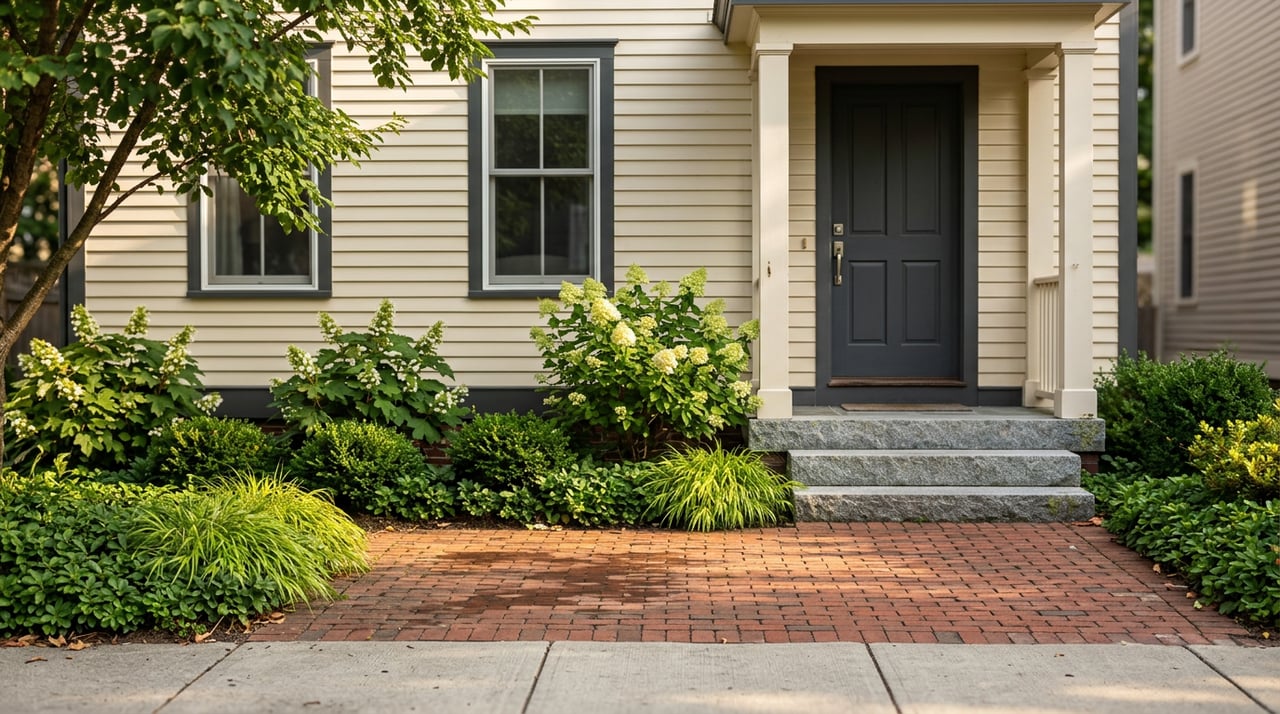
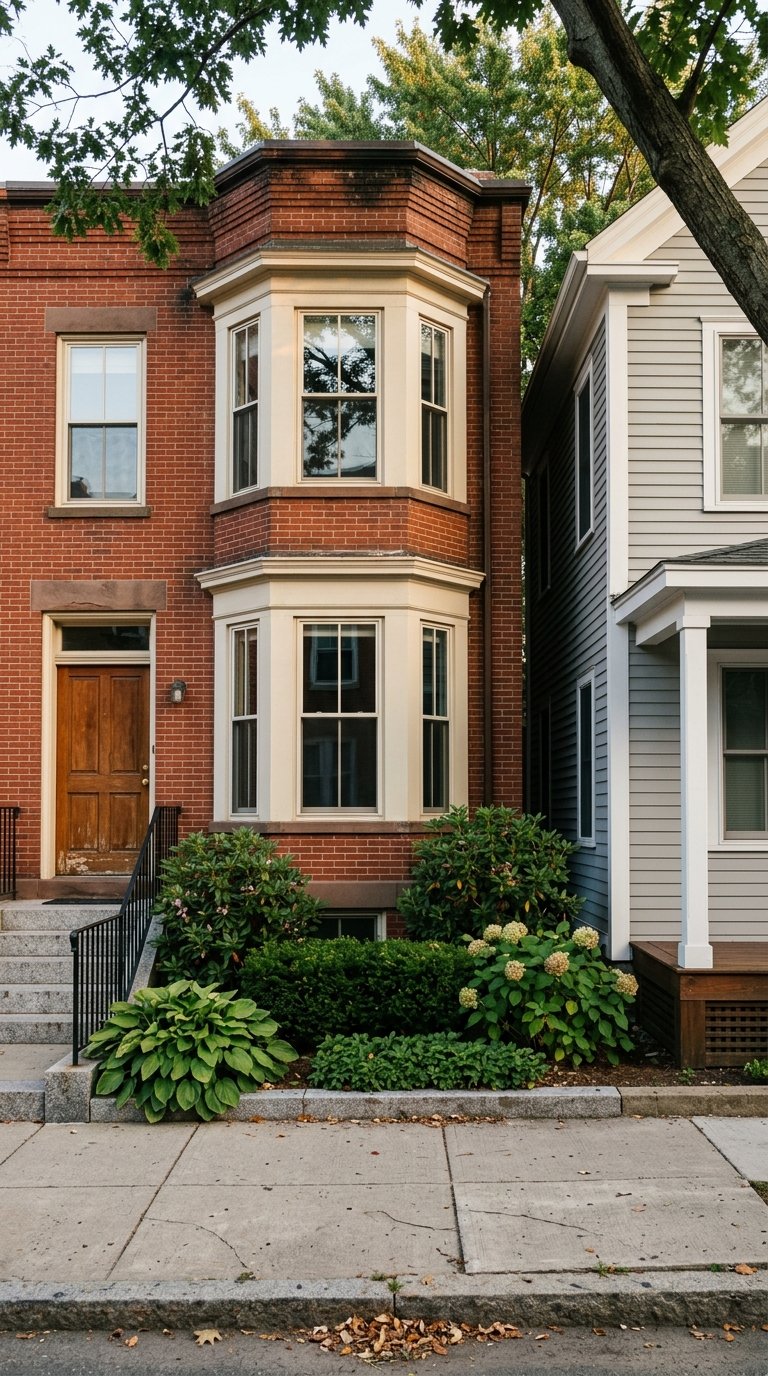
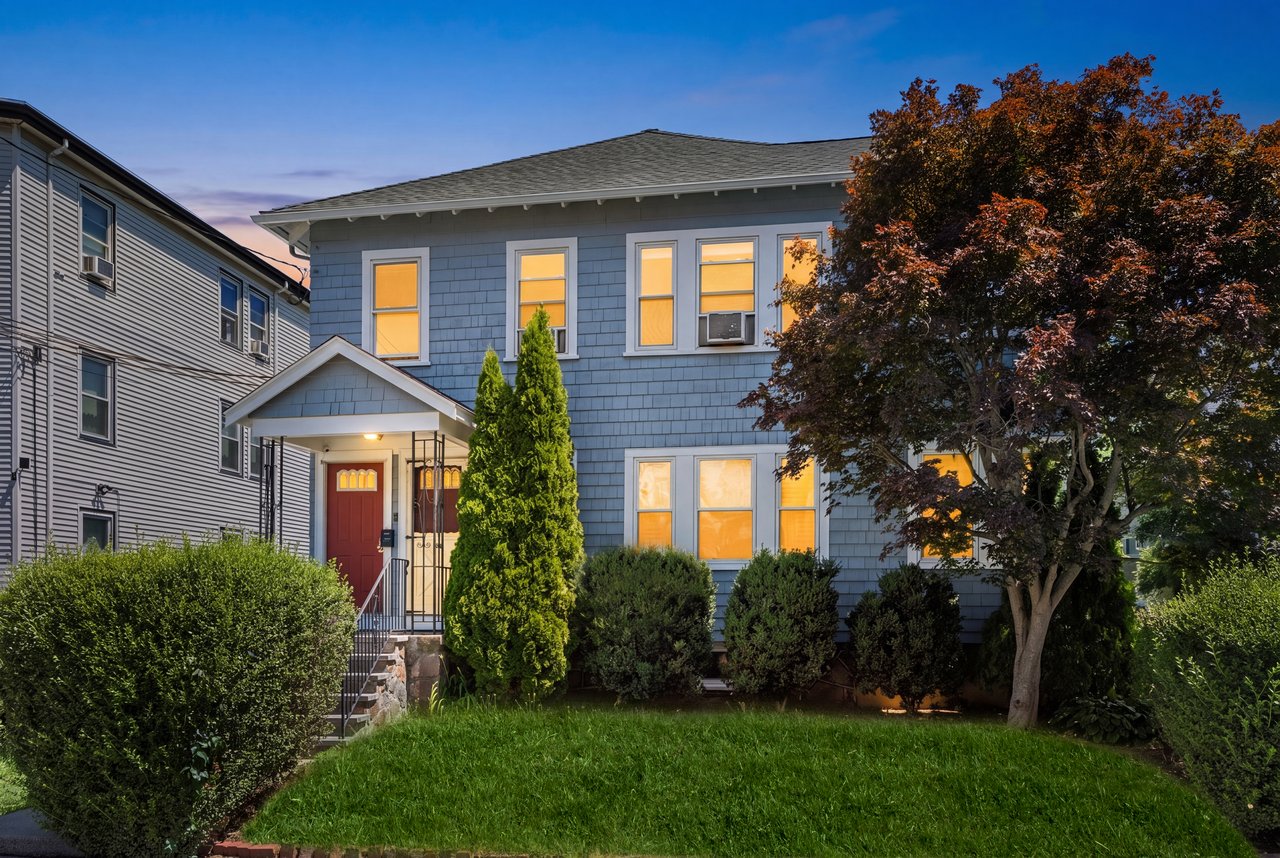
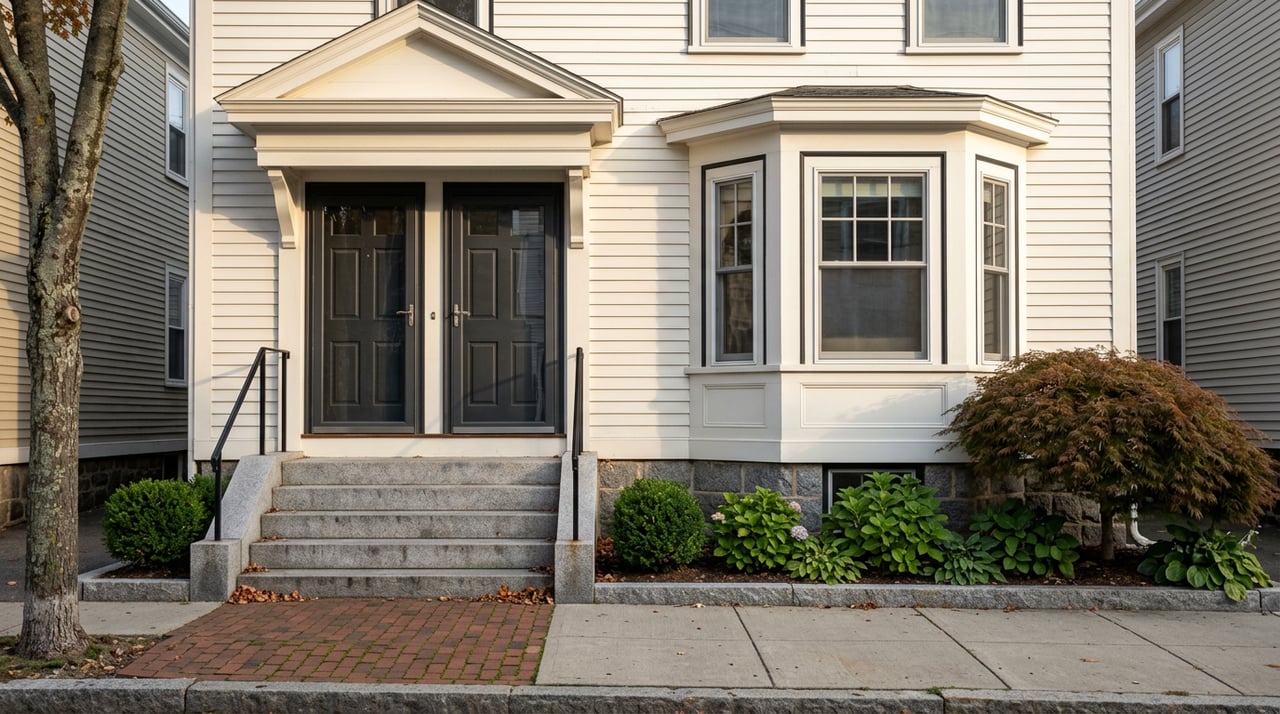
You’ll also find a large share of classic New England wood-frame two- and three-family homes. These buildings, often called triple-deckers, are well suited to owner-occupants who want to rent the other units. The stock varies in age and condition, so plan for thorough inspections and realistic renovation budgets.
Market snapshot: prices, rents, and vacancy
- Prices: Recent trackers for zip 02131 show median sale prices in the mid-$600Ks to low-$700Ks. Small multifamily (2–3 units) sales in Roslindale often land from the mid-$700Ks to $1.1M+ depending on lot, condition, and unit mix. Small sample sizes can cause big month-to-month swings. Use the most current local data when you get serious on a property.
- Rents: The American Community Survey shows a median gross rent around $2,020 in 02131. That is a helpful anchor when you sanity-check underwriting, though you should verify current asking rents by unit size before you write an offer (ACS median gross rent for 02131).
- Vacancy: In strong Boston neighborhoods like Roslindale, modeling a 5 percent vacancy factor is a reasonable start. City analyses show ZIP-level vacancy rates around 5 to 6 percent in recent five-year estimates (City vacancy context).
Financing options for owner-occupants
You have more choices than a typical investor because you plan to live in one unit. Program details change, so confirm the latest with a lender.
FHA: 3.5% down on 2–4 units
FHA allows you to buy a 2–4 unit property with as little as 3.5 percent down if you will occupy one unit. You must move in within about 60 days and intend to stay for about one year. Expect mortgage insurance and, for 3–4 units, extra rental income tests during underwriting. Check details in HUD Handbook 4000.1 (FHA policy handbook).
VA loans: $0 down for eligible buyers
If you are eligible for VA benefits, you may purchase a 2–4 unit home with little or no down payment when you will live in one unit. VA occupancy and entitlement rules apply. Review the VA quick-reference toolkit and confirm specifics with your lender (VA home loan toolkit).
Conventional: new 5% down path on 2–4 units
Fannie Mae has expanded options that allow some owner-occupants to buy 2–4 unit properties with 5 percent down. Lender overlays still apply, and you may need reserves and a strong credit profile. Ask your lender about current eligibility and the Fannie Mae matrix (Fannie Mae eligibility matrix).
State and City assistance you can stack
- MassHousing: Offers mortgages for 1–4 unit owner-occupied homes and pairs with Down Payment Assistance. For 2–4 unit buyers, homebuyer education and landlord counseling are required. See current DPA amounts and terms in the MassHousing product matrix (MassHousing product matrix).
- City of Boston Home Center: Programs such as ONE+Boston and first-time buyer assistance can provide enhanced down-payment help and rate subsidies for eligible buyers. In some cases, these can be combined with state aid. Always confirm stackability with your lender and the program administrators (Boston Home Center programs).
Practical lender cautions
Not every lender specializes in 2–4 unit loans. You may see higher credit score, reserve, or documentation requirements than for a single-family purchase. County-by-county loan limits apply for FHA and some state programs, and appraised market rents can influence qualification on 3–4 unit properties.
What to inspect in older 2–3 families
Older Roslindale multifamilies can be great long-term holds, but multiple households share systems and structure. A missed issue can be costly. Bring an inspector who knows Boston triple-deckers and line up specialists as needed.
Structure and exterior
- Roof age and condition. Leaks can hide rot and joist damage.
- Porches and decks. Look for sagging, rot, and poor connections to framing.
- Foundation. Check for cracks, settling, and poor grading or guttering that sends water toward the house.
Systems and utilities
- Heating. Old boilers or steam systems require service records and a realistic replacement timeline. Zones and controls matter for tenant comfort and billing.
- Electrical. Watch for knob-and-tube wiring, 60-amp or fused panels, lack of grounding, and DIY splices. Electrical upgrades can be significant.
- Plumbing. Galvanized supply lines, older cast-iron drains, and any evidence of lead service lines or interior lead piping need attention. Ask about fuel history and any buried or abandoned oil tanks.
Safety, egress, and code
- Egress. Bedrooms need proper egress windows and exits that are not blocked.
- Fire separation. Non-compliant stairs or missing fire-rated doors can trigger insurance or code issues.
- Smoke and CO detectors. Massachusetts requires specific placement and certificates at transfer. Confirm what your local fire department will require.
Environmental and legal
- Lead paint. Homes built before 1978 trigger strict disclosure and deleading obligations in Massachusetts. Budget for a lead inspection by a licensed professional and learn the rules for Letters of Compliance or Interim Control if a child under 6 will reside in a unit (Massachusetts lead law basics).
- Renovation rules. Work that disturbs old paint must follow EPA lead-safe practices. Factor certified labor into your budget if you plan updates.
- Title and permits. Confirm legal unit count, historic occupancy, and open violations. Unpermitted basement or attic units can block financing and cause enforcement.
Underwrite the numbers like an investor
A clear model helps you compare properties and avoid surprises. Run two cases: you living in one unit and renting the others, and a stabilized investor case with all units rented at market.
Key terms to use
- Gross Scheduled Income (GSI). Sum of all market rents if fully leased.
- Vacancy allowance. Start around 5 percent for Roslindale and stress-test to 8–10 percent based on season and unit type (City vacancy context).
- Effective Gross Income (EGI). GSI minus vacancy plus other income like laundry or parking.
- Operating expenses. Taxes, insurance, owner-paid utilities, maintenance, reserves, management, legal, and accounting. For small owner-managed 2–3 families, 30–45 percent of EGI is a reasonable starting range. If you plan to outsource management, model 8–10 percent of collected rent as a fee.
- Net Operating Income (NOI). EGI minus operating expenses. Use NOI to calculate cap rate as NOI divided by purchase price. In Greater Boston, smaller 2–6 unit properties often trade at mid-5 percent cap rates or higher depending on location and condition.
Simple sample math (illustrative only)
- Purchase price: $900,000 for a 3-family that needs some updating.
- Market rents: Unit A (2 BR) $2,600. Unit B (2 BR) $2,400. Unit C (owner-occupied or market) $2,700. GSI = $7,700 per month or $92,400 per year.
- Vacancy: 5 percent = $4,620. EGI = $87,780.
- Operating expenses: assume 40 percent of EGI = $35,112. That covers taxes, insurance, maintenance, owner-paid utilities, reserves, and management.
- NOI: about $52,668. Cap rate: $52,668 divided by $900,000 = roughly 5.85 percent.
Financing lens on the same deal
- FHA 3.5 percent down. Down payment about $31,500 plus closing and repairs. Loan roughly $868,500, subject to FHA county limits and appraisal. Mortgage insurance applies. See exact FHA rules in HUD Handbook 4000.1 (FHA policy handbook).
- Conventional 5 percent down. About $45,000 down using an owner-occupied 2–4 unit product if you qualify. Lender overlays, reserves, and DU findings apply. Review the Fannie Mae matrix and confirm product availability with your lender (Fannie Mae eligibility matrix).
Pro tip: Always stress-test with higher vacancy, higher expenses, and near-term capital items like a roof, boiler, deleading, or electrical upgrade. If the deal still works under a conservative case, you will sleep better.
How we help you buy with confidence
Buying a two- or three-family is part home search and part small-business plan. You deserve a steady partner from first tour to first tenant. The Boston Home Team pairs deep, local multifamily experience in Roslindale with a vetted network of lenders, inspectors, and contractors. We help you pressure test rent assumptions, line up the right loan program, structure clean offers, and manage inspections with specialists who know Boston’s older housing stock.
Ready to see if a house-hack in Roslindale fits your goals? Reach out to The Boston Home Team to start a focused search and underwriting plan that matches your timeline and budget.
FAQs
What makes Roslindale a good area for a house-hack?
- Transit access, a walkable village center, and a large stock of classic 2–3 family homes create steady rental demand and practical floor plans for owner-occupants.
Can I buy a 3-family in Boston with 5 percent down?
- Yes, some owner-occupants can use a 5 percent down conventional option for 2–4 units, subject to lender overlays, reserves, credit, and program eligibility.
How should I estimate rents in Roslindale for underwriting?
- Start with ACS median gross rent as a baseline, then confirm current asking rents by bedroom count from active listings before you finalize numbers.
What inspections are most important on Roslindale triple-deckers?
- Prioritize roof and porch structure, heating and electrical systems, plumbing, egress and fire separation, and a licensed lead paint inspection for pre-1978 homes.
What vacancy rate should I model for a 2–3 family?
- For Roslindale, 5 percent is a reasonable starting point and you should stress-test your model at 8–10 percent to be conservative.
Are there City or State programs that help with down payment on 2–4 units?
- Yes, MassHousing offers DPA on owner-occupied 1–4 units, and the City of Boston’s Home Center programs such as ONE+Boston can add assistance for eligible buyers.